Dreaming of powder mornings and summer nights by the Yampa, but unsure if owning here makes sense? You are not alone. Many Denver and out‑of‑state buyers want a mountain base yet need a clear picture of costs, access, rentals, and upkeep before they leap. In this guide, you will get a practical look at Steamboat Springs second‑home ownership so you can decide with confidence. Let’s dive in.
Access and lifestyle at a glance
Steamboat Springs sits in Routt County in northwest Colorado. From the Denver metro, the drive typically runs 3.5 to 4 hours depending on route and conditions. Winter weather can add time, so plan ahead during storms.
If you prefer to fly, Yampa Valley Regional Airport in Hayden is about a 20 to 30 minute drive from town. Commercial flight schedules are seasonal. Road access is primarily via U.S. 40, and mountain weather can affect travel reliability during snow events.
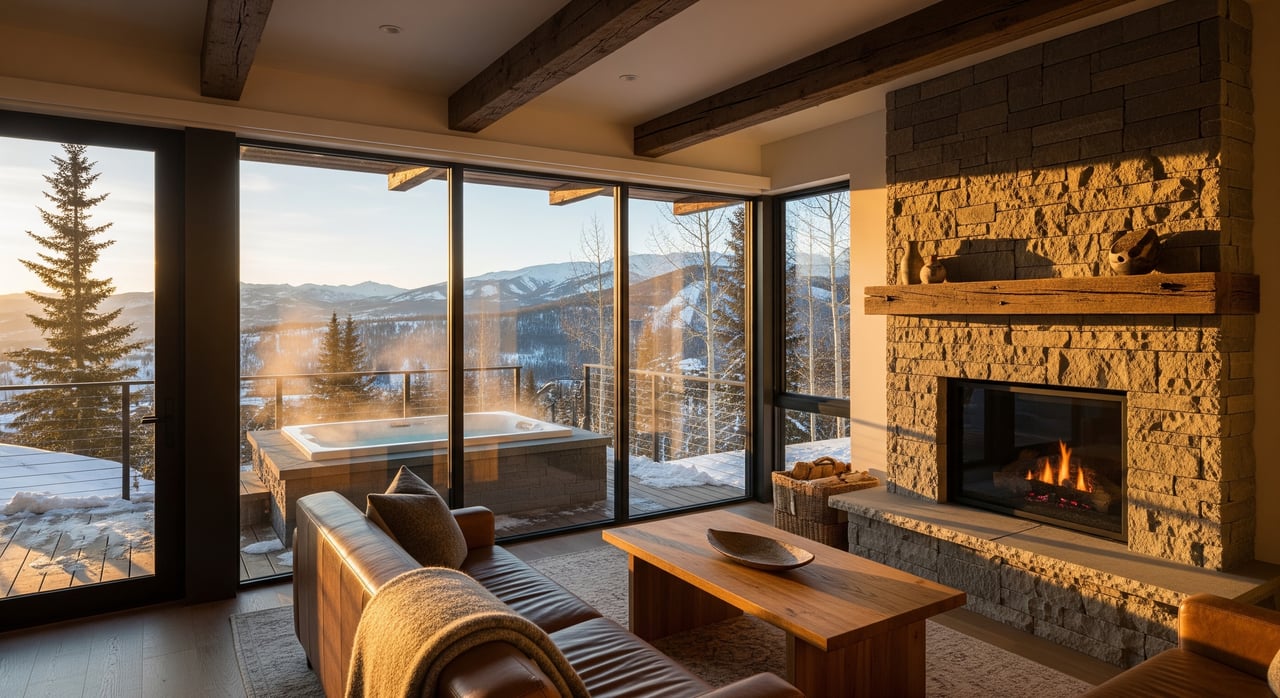
Year round, you get skiing, mountain biking, river activities, festivals, a walkable downtown, and local healthcare. This blend is why weekenders and seasonal residents choose Steamboat.
Who a Steamboat second home fits
You have options for how you will use a second home. Your pattern will shape the right property type and services.
- Weekend or occasional users. Think 10 to 40 days a year. Lock‑and‑leave condos near the mountain reduce maintenance and maximize ski time.
- Seasonal stays. Plan 30 to 90 days in winter or summer. Townhomes or in‑town single‑family homes offer more space and storage with manageable upkeep.
- Part‑time or remote workers. If you will split time, look for reliable internet, year‑round access, and in‑town amenities.
- Investment‑minded owners. If rental income matters, focus on ski‑area or downtown locations and learn local short‑term rental rules before you buy.
Property types and neighborhoods
Steamboat offers a wide mix. Your lifestyle and budget will guide the fit.
- Ski‑area condos. Steps from the resort base with amenities. Expect higher HOA dues and strong rental appeal in peak seasons.
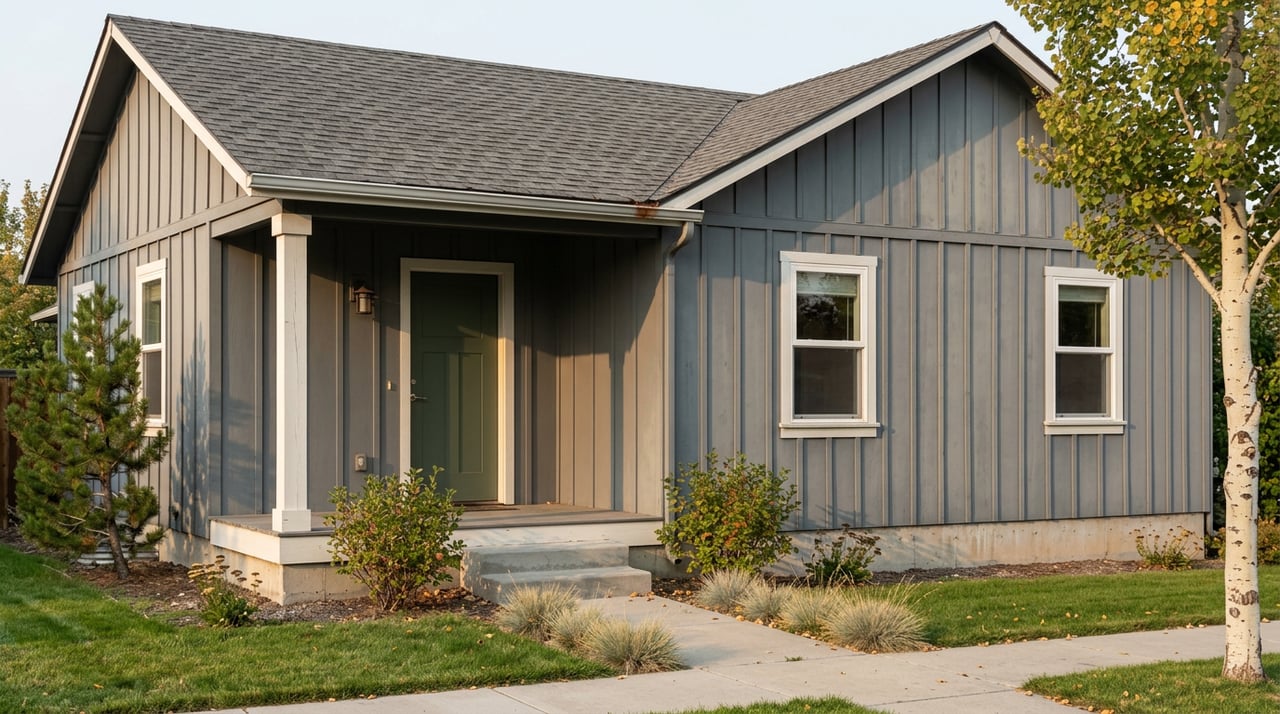
- Townhomes and attached homes. A balance of space and lower maintenance than detached homes. Good for longer stays without full yard care.
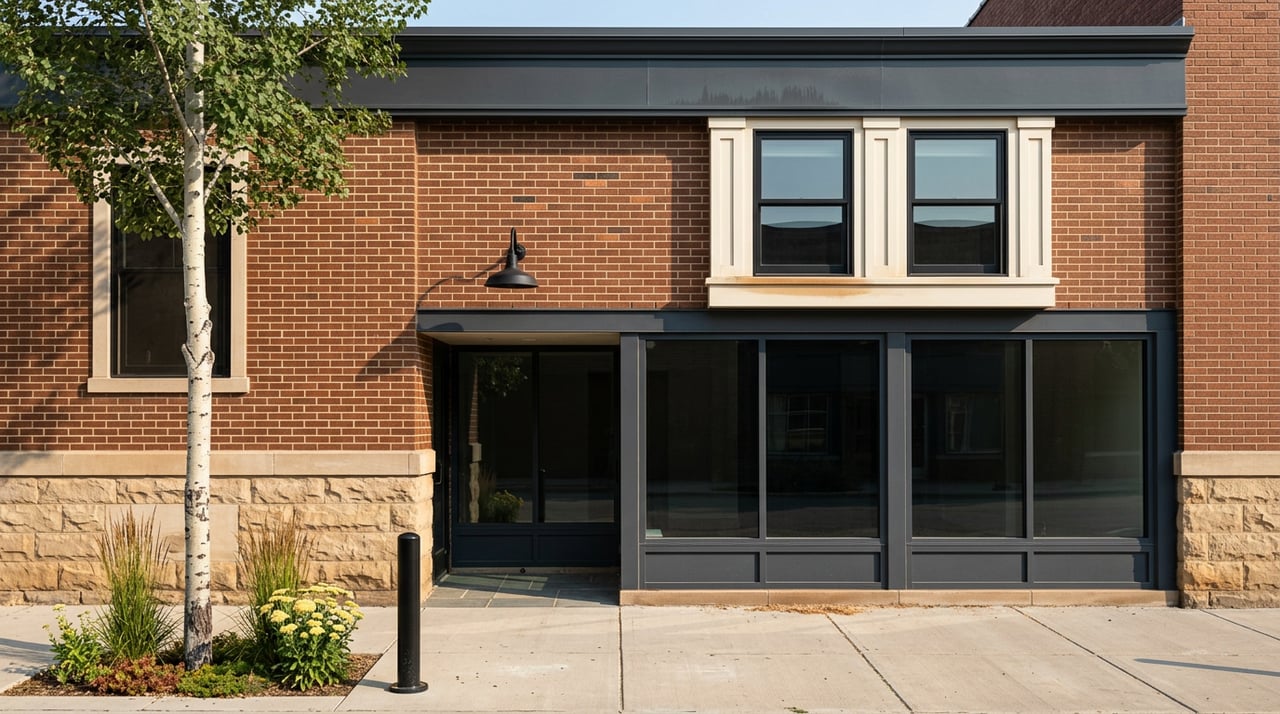
- Downtown and West Steamboat homes. Walkable access to dining and services with a social, village feel.
- Luxury and new construction near the mountain. Premium finish and convenience, priced accordingly.
- Rural acreage and surrounding valleys. More land and seclusion in areas like Strawberry Park or beyond to Stagecoach, Clark, and Hayden. Plan for longer drives, winter access, and more hands‑on maintenance.
- Nearby towns like Hayden or Oak Creek. Often lower purchase prices if you are comfortable with a commute to the resort and downtown.
What it really costs to own
Budgeting ahead prevents stress later. Build a full annual plan and keep a reserve for surprises.
Key line items to include:
- Mortgage payment if you finance. Second‑home loans often require 15 to 25 percent down, and rates may be modestly higher than primary homes.
- Property tax. Assessed by Routt County and tied to the parcel and valuation method. Verify current rates with the county.
- Homeowners insurance. Mountain homes may have higher premiums for wind, hail, winter storm, and wildfire risk. If you plan to rent, discuss liability and contents coverage.
- HOA dues if applicable. Condo and resort communities can have substantial dues. Review the HOA budget and reserves.
- Utilities. Heating in winter is a major cost at higher elevation.
- Snow removal, landscaping, and routine maintenance. Remote properties can mean higher contractor rates and longer lead times.
- Property management. If you will rent or want local oversight, include management fees.
- Capital reserves. A rule of thumb is 1 to 3 percent of property value per year for maintenance, adjusted for property age and systems.
Renting your Steamboat home
Short‑term rental potential varies widely. Strongest demand is usually near the mountain and in downtown. Revenue is seasonal with winter peaks and summer activity, and you must forecast net income after costs.
Keep these realities in mind:
- Management fees often run 20 to 35 percent of gross rental revenue for full‑service short‑term rental management. Add cleaning, marketing, and platform fees.
- Occupancy is seasonal. Use conservative assumptions and recent local comps before counting on income.
- Long‑term rentals can be steadier, though usually with lower nightly rates than short‑term stays.
Before you buy with rental plans, verify:
- Zoning and whether short‑term rentals are permitted at the specific address.
- Licensing or registration requirements for operators.
- State, county, and city lodging or excise taxes, plus who collects and remits.
- HOA rules. Some communities restrict or ban short‑term rentals or set minimum stay lengths.
- Safety, parking, and occupancy rules that apply locally.
Local regulations have evolved since 2020. Check current city ordinances and county rules, and consult a local property manager or attorney for compliance.
Practical due diligence checklist
Use this checklist to keep your search focused and informed.
- Clarify your intended use. How many visits per year and will you rent when not using it.
- Build a full annual budget. Include mortgage, taxes, insurance, HOA, utilities, maintenance, management, and a reserve for vacancy or repairs.
- Confirm financing. Second‑home and jumbo loans require different underwriting and usually larger down payments.
- Confirm rental legality. Check city and county rules and your HOA for any short‑term rental restrictions.
- Inspect winter readiness. Review heating, insulation, roof condition and snow load, pipe freeze history, and electrical capacity.
- Verify water and access. If rural, assess any wells, septic systems, and shared roads.
- Get local quotes. Insurance, property management, snow removal, and utilities can vary.
- Visit in multiple seasons. Test access, sun exposure, and neighborhood vibe in winter and summer.
Risk and insurance readiness
Mountain environments reward preparation. Look closely at these items before you write an offer.
- Wildfire exposure. Learn about defensible space and how mitigation affects insurance options and cost.
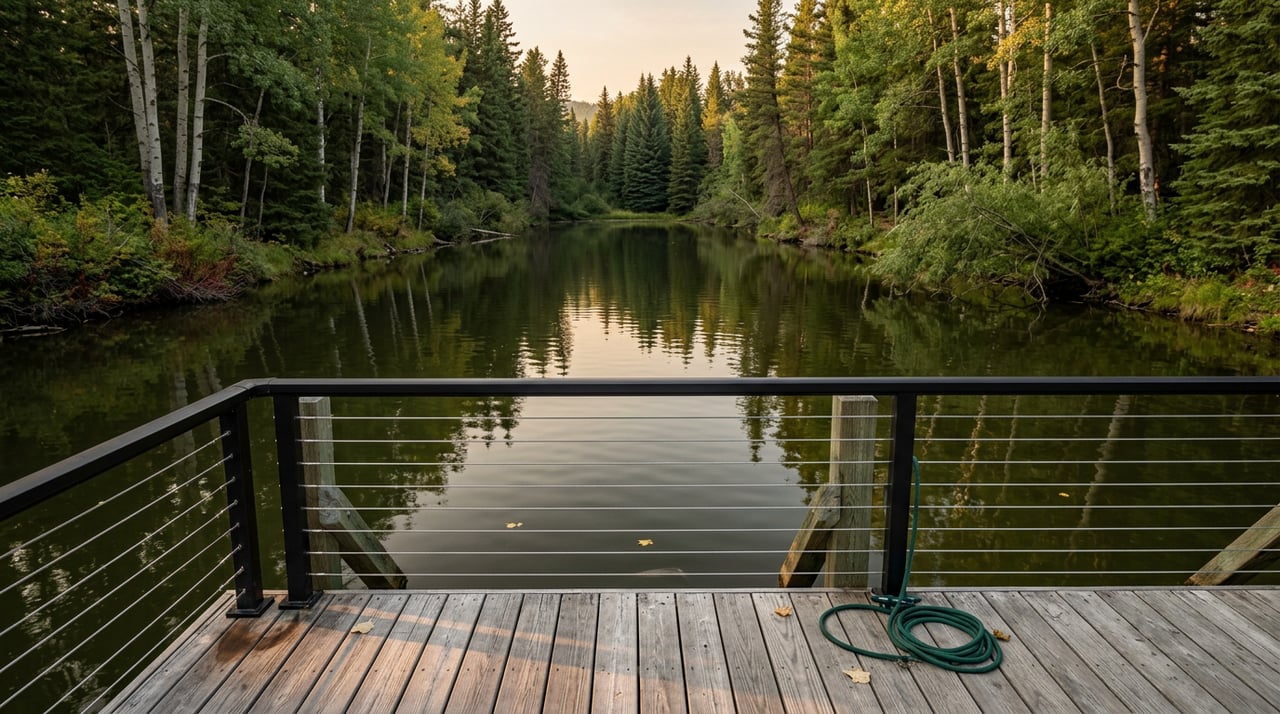
- Flood risk. Properties near the Yampa River or drainage corridors should be checked against floodplain designations.
- Storm exposure. Higher elevation can bring hail, wind, and heavy snow. Confirm coverage and roof condition.
Resale and timing considerations
Resort markets can move differently than big cities. Plan for potentially longer time to sell than urban areas. Seasonality can affect both buyer traffic and pricing strategy.
Homes with broad appeal and convenient locations tend to be more liquid. Highly customized or very remote properties may attract a narrower buyer pool.
How we help second‑home buyers
You deserve a process that feels clear, personal, and well managed. Our boutique team brings hyper‑local insight across downtown, the Mountain Area, Strawberry Park, and the wider Yampa Valley, plus concierge support throughout the search and purchase.
Here is what you can expect:
- Property matchmaking by lifestyle and use plan, including honest guidance on neighborhoods and HOAs.
- Budget clarity with local quotes for insurance, management, and HOA dues, plus introductions to lenders experienced in second‑home and jumbo loans.
- Practical rental insight from recent local performance and current rules, so you set realistic expectations.
- Trusted contractor and property manager referrals for ongoing care and peace of mind.
Ready to explore if a Steamboat second home fits your life and budget? Reach out to Michelle Parilla for a thoughtful, no‑pressure conversation and a customized plan.
FAQs
How far is Steamboat Springs from Denver for second‑home owners?
- The drive is commonly 3.5 to 4 hours depending on route and weather, with winter storms sometimes adding time on U.S. 40.
What are typical down payments for a Steamboat second home?
- Many lenders expect 15 to 25 percent down for conventional second‑home loans, with underwriting that differs from primary residences.
Are short‑term rentals allowed in Steamboat Springs resort areas?
- It depends on the specific property, zoning, and HOA, and you may need a license plus tax collection, so verify rules before you buy.
What ongoing costs should I budget for a Steamboat condo?
- Plan for mortgage, property tax, insurance, HOA dues, utilities including winter heating, routine maintenance, and management if you rent.
How seasonal is rental demand in Steamboat Springs?
- Short‑term rental demand is highly seasonal with strong winter and active summer periods, so use conservative occupancy and rate assumptions.
What should I inspect for winter readiness in a mountain home?
- Review heating and insulation, roof and snow load, pipe freeze history, electrical capacity, and access for snow removal.