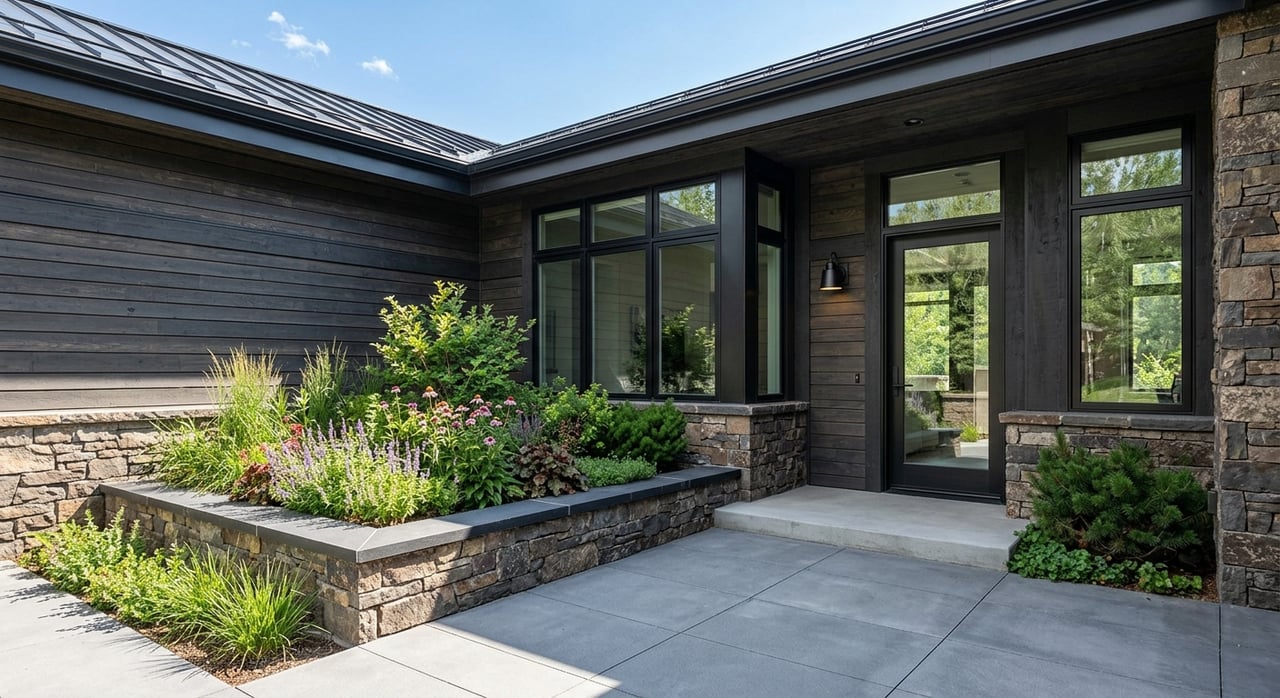
Smart HOA Questions for Steamboat Mountain Area Buyers
Buying in Steamboat’s Mountain Area can feel straightforward until you start comparing HOA communities. Two condos near the ski area may look similar on paper, yet come with very different dues, amenities, rental rules, and owner responsibilities. If you want a clear way to evaluate your options, this guide will help you ask the right HOA questions before you buy. Let’s dive in.
In the Steamboat Mountain Area, condo and townhome communities often bundle very different levels of service. Official property pages for communities such as One Steamboat Place and others in the resort area show that amenities can include pools, hot tubs, shuttles, ski storage, elevators, front desks, on-site check-in, and laundry.
That matters because your HOA is not just about shared rules. It may also shape your monthly costs, your day-to-day convenience, and how much maintenance the association handles for you. In a resort market, those differences can have a big impact on how you use and enjoy the property.
Colorado also gives buyers under contract in an HOA the right to receive association documents listed in Section 7 of the contract, including governing and financial materials. According to the Colorado HOA homebuyer guidance, reviewing those materials is a key part of understanding what you are really buying.
It is easy to focus on the sticker price and monthly HOA number. In the Mountain Area, that can be misleading.
A lower-fee building may leave more responsibility with the owner. A higher-fee building may include a broader package of services such as snow removal, shuttle operations, front-desk coverage, internet, utilities, or common-area upkeep. The real comparison is your total carrying cost, along with the lifestyle and support that cost provides.
Recent listing examples show how wide the gap can be. A Storm Meadows condo listing showed a $521 monthly HOA fee, while a One Steamboat Place listing showed $4,079 monthly dues, reflecting a much more service-heavy setup. Trailhead Lodge listings also showed a broad annual dues range depending on the unit and amenity package, according to these Steamboat-area listing examples.
Your first HOA question should be simple: What do the dues actually include?
The answer can vary significantly from one building to another. In some communities, dues may cover exterior maintenance, road maintenance, snow removal, trash, sewer, water, cable, internet, insurance, and reserves. In others, dues may also support services like valet, concierge-style support, or transportation.
Ask for an itemized breakdown so you can compare communities fairly. Two HOA fees that look close in price may offer very different value once you understand what is included and what you would still pay separately.
A healthy HOA is not just one with manageable dues. It is also one with a budget and reserve approach that supports future repairs.
According to the Colorado HOA FAQ, annual disclosures can include the operating budget, current regular and special assessments, annual financial statements with reserve balances, the most recent audit or review, insurance information, bylaws, rules, and prior-year meeting minutes. Colorado also requires boards to have a reserve-study policy, even though the law does not require the reserve study itself.
As a buyer, you will want to ask:
These questions can help you spot whether a lower monthly fee today may lead to larger costs later.
Mountain properties deal with weather, snow, and wear in a way that makes maintenance especially important. You should know exactly what the HOA handles and what falls to you as the owner.
The state notes that Colorado law is fairly limited on maintenance and landscaping details, and the board decides how and when that work is done. The DORA buyer guidance for homes in an HOA makes it important to ask about exterior upkeep, common-area repairs, snow removal, landscaping, and whether the community is professionally managed.
In practical terms, ask who is responsible for:
In a Steamboat resort-area property, these responsibilities affect both your budget and your convenience during the winter season.
Amenities are one of the biggest reasons dues vary so much in the Mountain Area. They can also shape whether a property feels more lock-and-leave, more investment-oriented, or more hands-on.
For example, One Steamboat Place lists features such as A/C, elevator, pool, covered parking, front desk, shuttle, ski storage, washer and dryer in unit, and wireless internet. Other nearby properties such as Phoenix Condominiums, Trailhead Lodge, and Storm Meadows offer different combinations of pools, hot tubs, on-site check-in, parking, shuttle service, and laundry-related features.
When you compare buildings, think beyond whether an amenity sounds appealing. Ask whether you will actually use it and whether it justifies the dues. A front desk or shuttle may be a major plus for one buyer and unnecessary cost for another.
Insurance is another area where buyers should not guess. The HOA may insure certain shared elements, but that does not mean your own coverage needs are fully handled.
Colorado requires associations to carry property insurance on common elements and commercial general liability insurance. The state HOA FAQ also notes fidelity requirements for certain larger associations.
Ask the HOA what its master policy covers, then find out what additional owner coverage you may need. This is especially important in condo buildings, where the line between HOA responsibility and unit-owner responsibility can vary by governing documents.
If rental income matters to you, do not wait until the end of the process to ask about short-term rentals. In Steamboat Springs, city rules and HOA rules both matter, and the HOA may be more restrictive than the city.
The City of Steamboat Springs requires a short-term rental license before an owner can advertise or operate a short-term rental. The city uses an overlay system with Zone A unlimited, Zone B restricted, and Zone C prohibited, and the city clearly states that HOA rules may be more restrictive than city rules.
The city also notes that short-term rental licenses do not transfer with a sale. Some legal nonconforming statuses in Zones B and C may transfer if the use has not been abandoned for 12 consecutive months, and buyers should request a booking report from the current owner when relevant. The same city page also outlines the tax side, including a 9 percent city short-term rental tax and an 18.4 percent combined tax rate on short-term rentals.
If STR use is part of your plan, ask:
These questions can save you from buying a property that does not fit your intended use.
This may sound like a small detail, but in a mountain market it is not. Parking access and snow storage can directly affect both owner use and rental operations.
The city’s short-term rental licensing requirements include a parking and snow storage plan. That should tell you how important these logistics are in Steamboat, especially during winter months when snow buildup and limited parking can create real challenges.
Even if you are not planning to rent the unit, it is smart to ask how the building handles guest parking, owner parking, snow stacking, plowing access, and any seasonal restrictions.
Not every HOA in the Mountain Area is governed the same way. Community age can matter.
The Colorado law summary on CCIOA explains that the Colorado Common Interest Ownership Act took effect in 1992. Many important provisions apply broadly, but some apply only to post-1992 communities. Pre-1992 communities may still be subject to older condo law unless they opted in.
For buyers, that means older ski-area buildings may have governing documents that look different from newer developments. Ask whether the community is pre-1992 and whether any older legal framework still affects governance, maintenance, insurance, or owner rights.
When you compare Mountain Area properties, it helps to review each building on four levels at once: documents, costs, use restrictions, and physical upkeep.
Use this checklist as a starting point:
The goal is not just to find the lowest dues. It is to find the property that best matches your budget, your lifestyle, and your plans for personal use or rental flexibility.
In Steamboat’s Mountain Area, small differences on paper can turn into major differences in ownership experience. If you want help comparing condos, townhomes, HOA documents, or short-term rental considerations, Michelle Parilla offers a concierge-level approach rooted in local market knowledge and practical guidance.






Whether you are looking to buy or sell in Steamboat, she hopes that you will allow her to work for you. Contact her now!