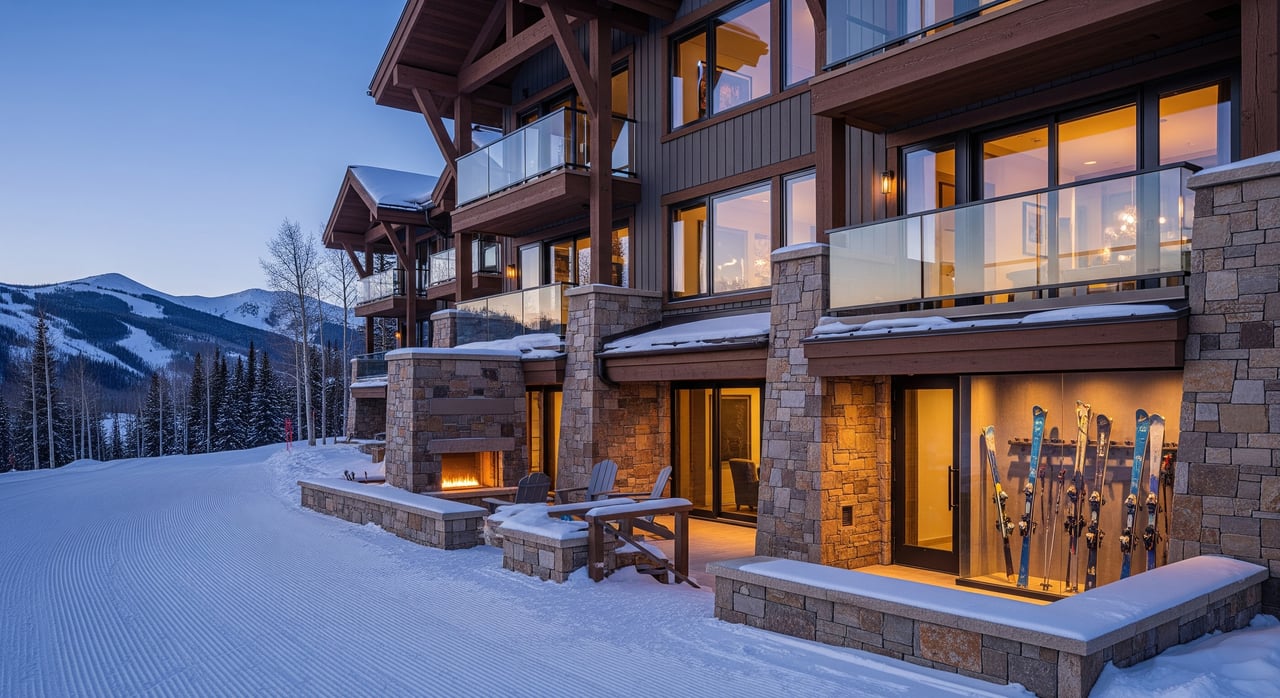
Top Ski-In/Ski-Out Condo Buildings for Nightly Rentals
Looking for a true ski-in/ski-out condo you can rent nightly and enjoy yourself on bluebird days? You are not alone. In Steamboat’s Mountain Area, a few feet of snow access can change your booking calendar, your average daily rate, and your long-term return. This guide shows you what defines a “top” building for nightly rentals, how to verify the essentials before you buy, and how to build a high-confidence shortlist fast. Let’s dive in.
In the Mountain Area, “true ski-in/ski-out” means you can step out of your building and reach the runs without a vehicle. You can click in and ski to the lifts or gondola. “Ski-adjacent” or “near-lift walkable” means a short walk, often under ten minutes, sometimes across a roadway or along a groomed path. This micro-location difference is a major factor in winter occupancy and what guests are willing to pay.
If you are comparing two similar condos, the one with direct access often wins on conversion and rate during peak weeks. Walkability to the base area also matters for non-skiers in the group. It gives everyone easy access to dining, lessons, rentals, and après, which helps you capture bookings from larger family groups.
Winter drives the strongest occupancy and nightly rates. Families, multi-family groups, and regional weekend visitors flood the calendar during peak season and holidays. Summer brings hiking, biking, and festival guests, but revenue usually trails winter. Shoulder seasons can still perform around events and long weekends, so a well-located unit with good amenities can stay competitive.
These run like a hotel with a front desk, housekeeping, and on-site marketing. They usually allow nightly rentals and provide a turnkey experience for you and your guests. The tradeoff is higher HOA costs and management rules, plus possible revenue splits or required rental programs. For many investors, better marketing reach and easier operations offset the higher line items.
These are close to the base and offer amenities like a pool, hot tubs, concierge, ski valet, and fitness center. Renters love the convenience and book year-round more reliably. You will see higher HOA dues, yet winter ADR often rises as well. Run the net numbers to see if the amenity premium pays for itself in your scenario.
These sit within an easy walk to the gondola or rely on a quick shuttle. They often have lower HOAs than full-service buildings, with fewer on-site services. You will likely lean on an outside property manager or your own listing strategy. These can be strong value plays when the location is truly walkable and the unit is well-finished.
These feel like a home, with more space for gear, kids, and extended stays. Guests appreciate private entries and family-friendly layouts. Utility and maintenance costs can be higher, and parking rules vary by community. Confirm snow management, guest parking logistics, and how the HOA treats nightly rentals.
At ski-area condos, HOAs fund staffing, utilities, and amenities, which is why costs vary widely. Expect lower fees for basic walkable buildings without full-service amenities, and higher dues where there is a front desk, heated garage, pools, and common-area utilities. Older buildings may carry larger reserves or assessments to fund upgrades.
Typical ranges to use as a starting point:
Always request the current budget, what the HOA covers, and recent or planned assessments. That detail lets you compare net returns across buildings.
Most base-area buildings are walkable to lifts, while others rely on a short shuttle. In winter, even a few extra minutes can feel longer in ski boots, so confirm actual walking time in snowy conditions. Pay attention to guest parking rules, overflow options, and overnight limits. For nightly rentals, smooth guest turnover and clear parking instructions make a real difference.
Use this quick access checklist:
Nightly rental permission is not automatic. Buildings can set minimum stays, approved managers, and booking platform rules. Some require you to use an on-site program for nightly stays, set owner use limits in peak weeks, or cap the number of STR units.
You also need to confirm local registration and taxes. Short-term rental licensing may apply within the City of Steamboat Springs or Routt County, depending on location. Operators are responsible for collecting and remitting applicable state, county, and municipal sales or lodging taxes. Some municipalities require health and safety checks, fire and life safety measures, or parking limits tied to licensing.
Bottom line, always verify current rules and enforcement before you write your pro forma.
Ask for real numbers, not estimates. For the unit or close comparables, request historic occupancy by month, ADR by season, gross revenue, and net after management fees. Confirm which booking channels were used so you understand marketing reach and commission impacts.
Build your expense side line by line:
High-amenity, base-area properties often command higher rates that offset the added costs, but net yield is always unit-specific. Model both peak and shoulder seasons, and maintain cash reserves for slower months.
Because HOA rules and amenities change, the smartest path is a quick, focused verification sprint. Here is a practical plan to identify the best options right now:
This process turns a long wish list into a credible top three to five buildings, aligned with your budget and goals.
Use this due diligence checklist to reduce surprises and speed up your decision:
You want a place that pays its way and feels like Steamboat the moment you arrive. Our team pairs local knowledge with a hands-on process to surface the right buildings, pressure test the rental assumptions, and simplify your owner experience. We coordinate MLS research, HOA document pulls, property manager calls, and walk-the-base access checks so you see the full picture, fast.
When you are ready to compare the top ski-in and walkable options side by side, reach out. We will tailor a shortlist to your budget, timeline, and use plan, then guide you from offer through first guest booking.
Ready to start your shortlist today? Connect with Michelle Parilla for a customized building lineup and a clear plan to purchase with confidence.




Whether you are looking to buy or sell in Steamboat, she hopes that you will allow her to work for you. Contact her now!