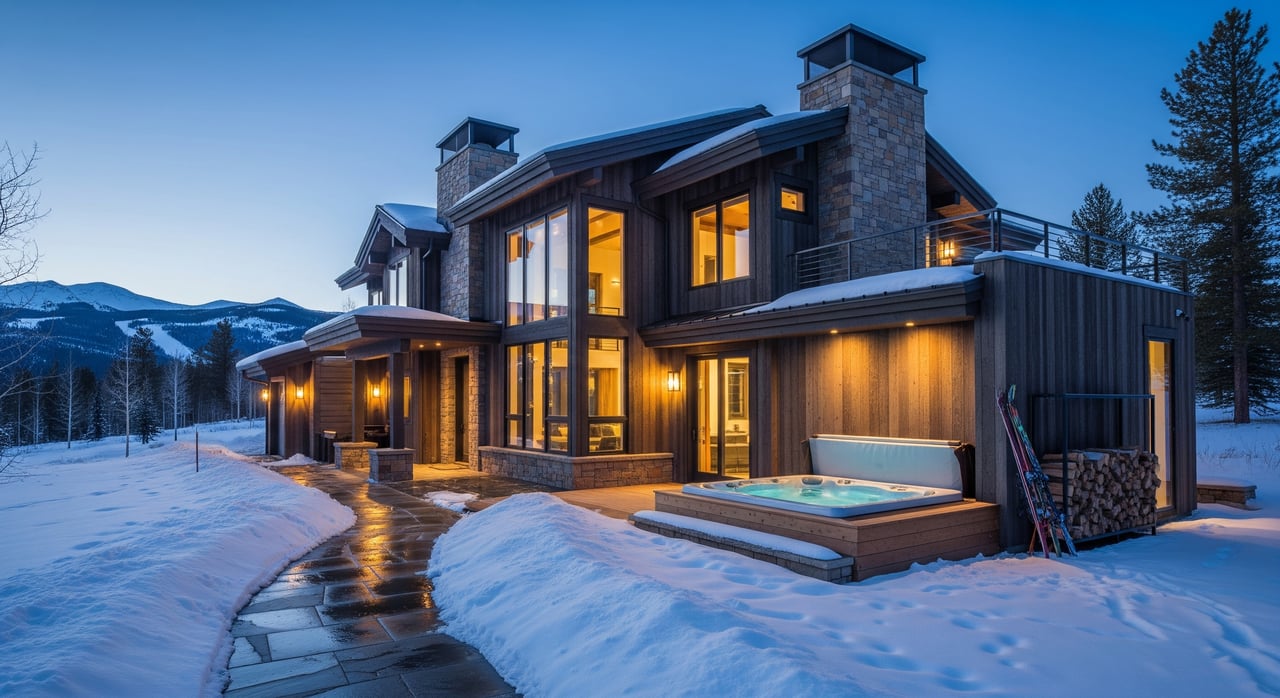
Winter-Friendly Home Upgrades Buyers Love in Strawberry Park
Snow piles up fast in Strawberry Park, and that can make daily life a challenge without the right features. If you are eyeing a mountain property or prepping yours for the market, winter‑friendly upgrades can shape how your home lives and how buyers feel the moment they arrive. You want comfort, safe access, and smart systems that work in our coldest months.
In this guide, you will learn which winter upgrades matter most in Strawberry Park, how they function, what to verify during a purchase or sale, and how to weigh convenience against upkeep and operating costs. Let’s dive in.
Long, cold winters with frequent snow and freeze–thaw cycles define life near Steamboat Springs. Many Strawberry Park homes sit on larger lots with private drives and sometimes steeper approaches. That means snow management, safe entries, and durable finishes are not just nice to have. They are essentials for daily living and year‑round value.
Utilities vary from property to property. Some homes are on municipal services, while others rely on wells, septic, and local electric co‑ops. Before you commit to high‑load systems like snow melt or whole‑house humidification, it is smart to verify power capacity, rate structures, and how the system will be serviced. Local data and permitting are available through county resources, climate normals, and your utility provider.
Heated driveways and walkway snow‑melt systems automatically clear snow and ice, improving safety and reducing shoveling or plowing needs. They are especially appealing for luxury buyers, older owners, second‑home users, and anyone with a long or steep driveway.
Common options include:
Key considerations:
Maintenance is straightforward if you keep up with annual checks. Hydronic systems need periodic service on the heat source. Ask about controls, sensors, and expected life of the surface and heating components so you can budget for future replacement.
Snow guards and rails help prevent “roof avalanches” that can endanger people and damage landscaping or vehicles. Heat cables at eaves and in gutters can reduce ice dams and keep water moving safely.
Options to know:
What to watch for:
Plan a fall inspection each year. Clean gutters, check attachments, and test cable controllers before the first big storm.
A well‑designed mudroom is one of the most loved features in mountain homes. It keeps snow and dirt contained, gives you a convenient spot for boots and skis, and speeds up the unload‑and‑go routine after a day outside.
Features buyers love:
Focus on ventilation and moisture control to prevent musty odors or mold. Good lighting and easy‑to‑clean surfaces add daily convenience and long‑term appeal.
Winter air at elevation is dry, which can bother sinuses, increase static, and stress wood floors and furniture. Whole‑house humidification restores comfort when paired with proper ventilation and controls.
System types:
Best practices:
Smart controls help you manage energy and comfort across multiple zones. They are a favorite for tech‑forward buyers, energy‑conscious owners, and second‑home users who want remote monitoring.
Benefits you will notice:
Before you buy, confirm compatibility with your HVAC system. Hydronic radiant heat can require specific low‑voltage controls. Remote features also rely on a strong Wi‑Fi network and reliable power. Plan for firmware updates, password hygiene, and sensor battery changes.
Comfort starts with the building envelope. Insulation, air sealing, and balanced ventilation set the stage for a warm home and fewer ice‑dam issues. Buyers in Strawberry Park expect careful insulation in attics, cathedral ceilings, and foundation walls.
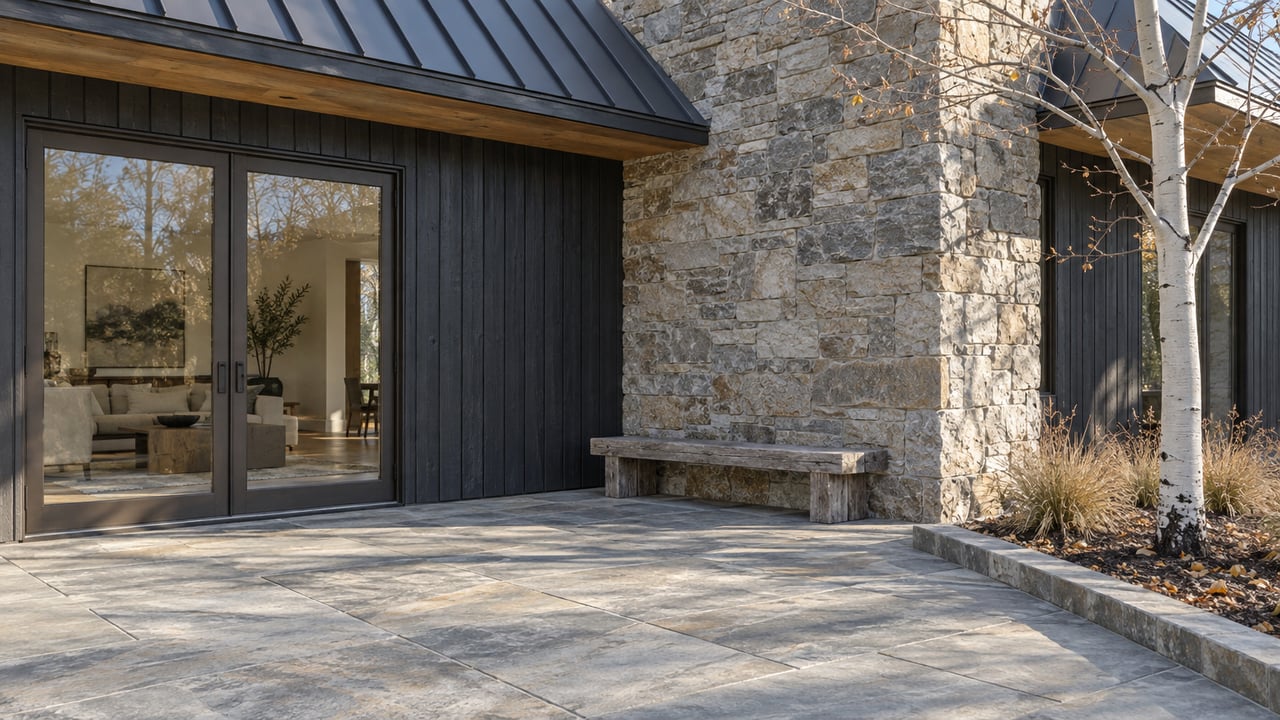
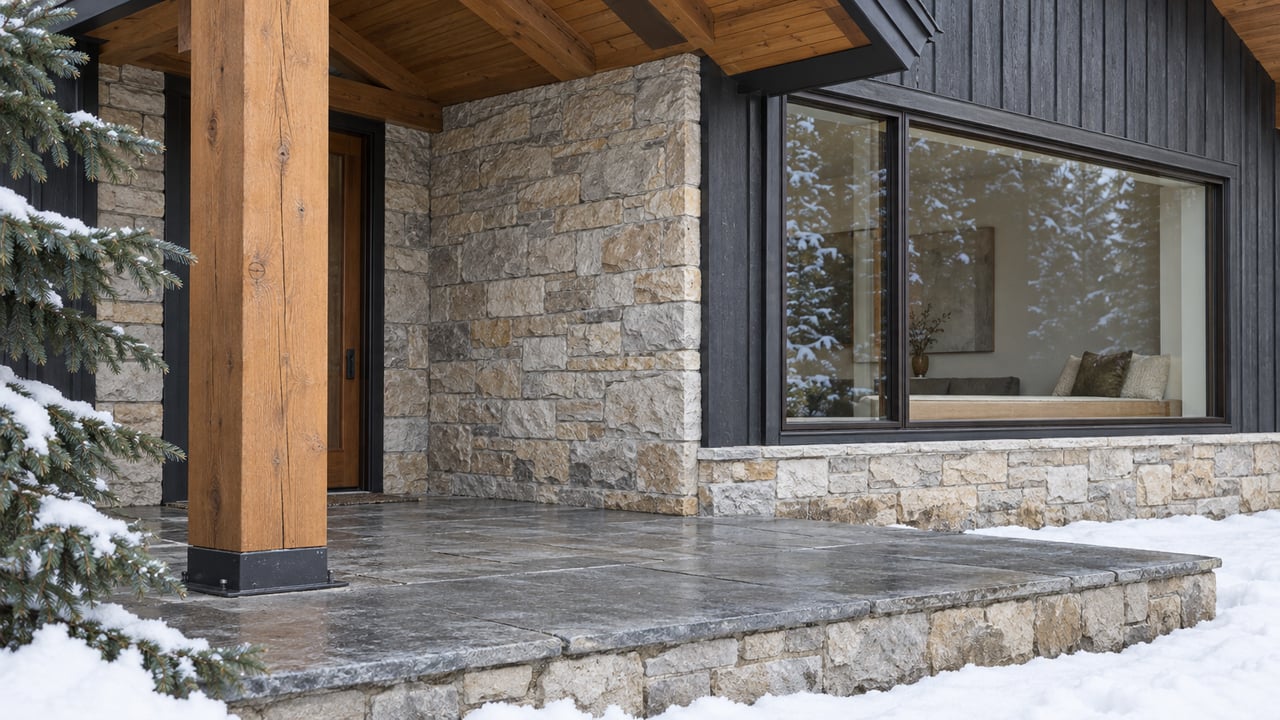
Radiant floor heating is a popular comfort upgrade in mountain homes, especially where tile or stone is used in mudrooms and baths. If you are considering radiant, think through your heat source, whether boiler or heat pump, and how you will zone spaces for flexible control.
High‑performance windows and well‑sealed doors also matter. Look for proper installation, low‑e coatings, and tight weatherstripping to reduce drafts and window condensation.
In the Steamboat area, buyers value practical function and safety as much as polish. Mudrooms, durable finishes, roof snow retention, and sound insulation are broadly appealing. Premium mechanicals like heated driveways and whole‑home radiant floors can elevate marketability with luxury buyers, but returns vary by property and documentation quality.
Think about how features support daily living. Can you safely access the home during a storm? Is there a place to drop wet gear? Are systems easy to operate and service? Clear answers help a listing stand out.
Use this checklist to evaluate winter‑focused features when buying or getting ready to sell.
Heated driveways and roof heat
Roof snow retention and gutters
Mudrooms and drying zones
Humidification and ventilation
Smart thermostats and automation
General winter wear items
Electric snow‑melt systems are typically simpler to install for small areas but can carry higher operating costs. Hydronic systems often require more complex mechanical equipment, yet they can leverage efficient heat sources and integrate with existing radiant systems. For any high‑load system, verify local electricity rates, propane costs, and utility service capacity so you can budget realistically.
Work with contractors who understand mountain conditions, snow loads, and freezing exposure. Ask about warranty terms that reflect our climate. You can also explore energy‑efficiency incentives through state programs or your utility, and consider home‑equity or efficiency‑focused financing for major upgrades.
If you want to target the right upgrades for your Strawberry Park home or evaluate winter features on a property you love, local context matters. A short conversation can save you time, help you avoid missteps, and position your home for success in our winter‑heavy market.
For tailored guidance, market insight, and a concierge plan for buying or selling, connect with Michelle Parilla. We are here to help you navigate the details with confidence.



Whether you are looking to buy or sell in Steamboat, she hopes that you will allow her to work for you. Contact her now!