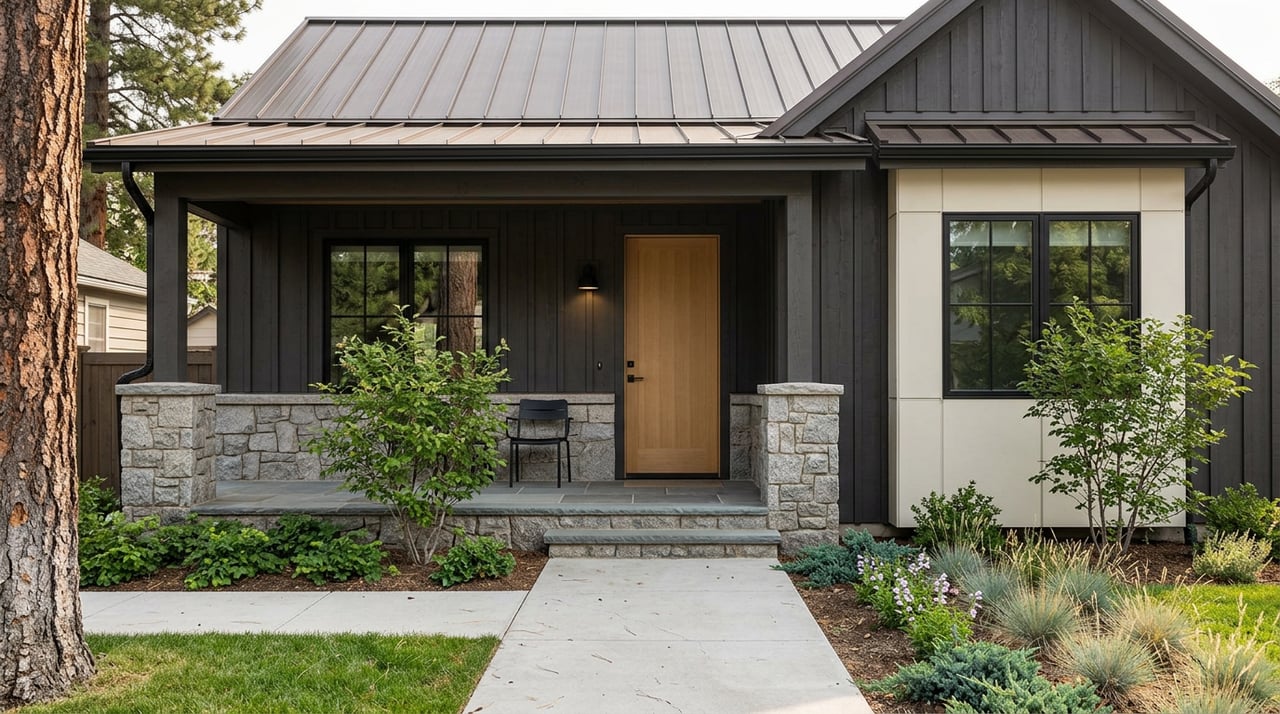
Home Styles You’ll Find In Downtown Steamboat
Shopping for a place in downtown Steamboat and wondering what styles you’ll actually find? With Old Town character homes steps from Lincoln Avenue and sleek condos near the Yampa, each option offers a different way to live downtown. In this guide, you’ll learn how cottages, bungalows, condos, and luxury infill compare, plus what to check on HOAs, short-term rentals, and floodplain rules before you buy. Let’s dive in.
Downtown centers on Lincoln Avenue and the surrounding Old Town blocks, where part of the core is listed as the Steamboat Springs Downtown Historic District on the National Register. That designation recognizes the area’s early commercial heart and many contributing buildings, as covered by the local press in the city’s historic district announcement.
You get walkable access to restaurants and shops, the Yampa River Core Trail, Howelsen Hill, Little Toots Park, and Old Town Hot Springs. Homes and condos here often command a premium because of location and limited supply, and local reporting notes ongoing affordability pressures across the market, which affects competition downtown. For context on pricing headwinds, see this regional look at Steamboat’s affordability challenges.
If you love early 1900s character, Old Town cottages deliver front porches, wood trim, and narrow setbacks that feel authentically downtown. These smaller footprints favor lifestyle over size and keep you close to Lincoln Avenue.
Plan for older systems. Many cottages need targeted upgrades to insulation, windows, electrical capacity, and plumbing. National preservation guidance recommends moisture control, careful roof and flashing maintenance, and energy improvements that respect historic fabric. If you are weighing upgrades, review the NPS guidance on energy efficiency in historic buildings.
Know the review path. Steamboat operates a local Historic Preservation Program; being listed does not prohibit changes, but you may need approvals for exterior work. Before you plan a renovation, confirm status and steps with the city’s program outlined on the Historic Preservation page.
Check for floodplain. Some downtown blocks near the Yampa intersect FEMA flood zones. If your lot is in a mapped Special Flood Hazard Area, renovations can require a city floodplain permit and possibly elevation or mitigation. Start with the city’s Floodplain Development Permit guidance.
Updated bungalows keep the neighborhood’s modest scale while adding modern comfort. You will often see renovated kitchens and baths, improved mechanicals, and creative use of basements or additions for year-round living.
Expect smoother ownership than an unrestored historic cottage, though any existing home can hide deferred maintenance. Ask for permits and contractor records for big ticket items like foundations, electrical service, insulation, and roof age. If you are hoping for a guest space or rental flexibility, confirm whether the lot can support an accessory unit and what the current rules allow. The city has discussed secondary units and infill options, summarized in local coverage of secondary unit policy discussions.
If you want the lowest-maintenance path to downtown living, modern condos and mixed-use buildings on or near Lincoln and Yampa deliver. Downtown complexes advertise amenities like covered parking, ski lockers, and walk-to-dining convenience, as seen in properties like Howelsen Place.
Know your HOA. Monthly assessments typically cover building exteriors, snow removal, common areas, and shared systems. Review reserve studies, budgets, and recent meeting minutes to understand upcoming capital work and how it might affect dues.
Plan around rental rules. Steamboat uses a short-term rental overlay with zones and licenses, and much of downtown falls in permissive areas where STRs are allowed with proper licensing. Always verify both the property’s municipal STR eligibility and the HOA’s rental policy. For timing and requirements, see the city’s process as reported when STR license applications opened.
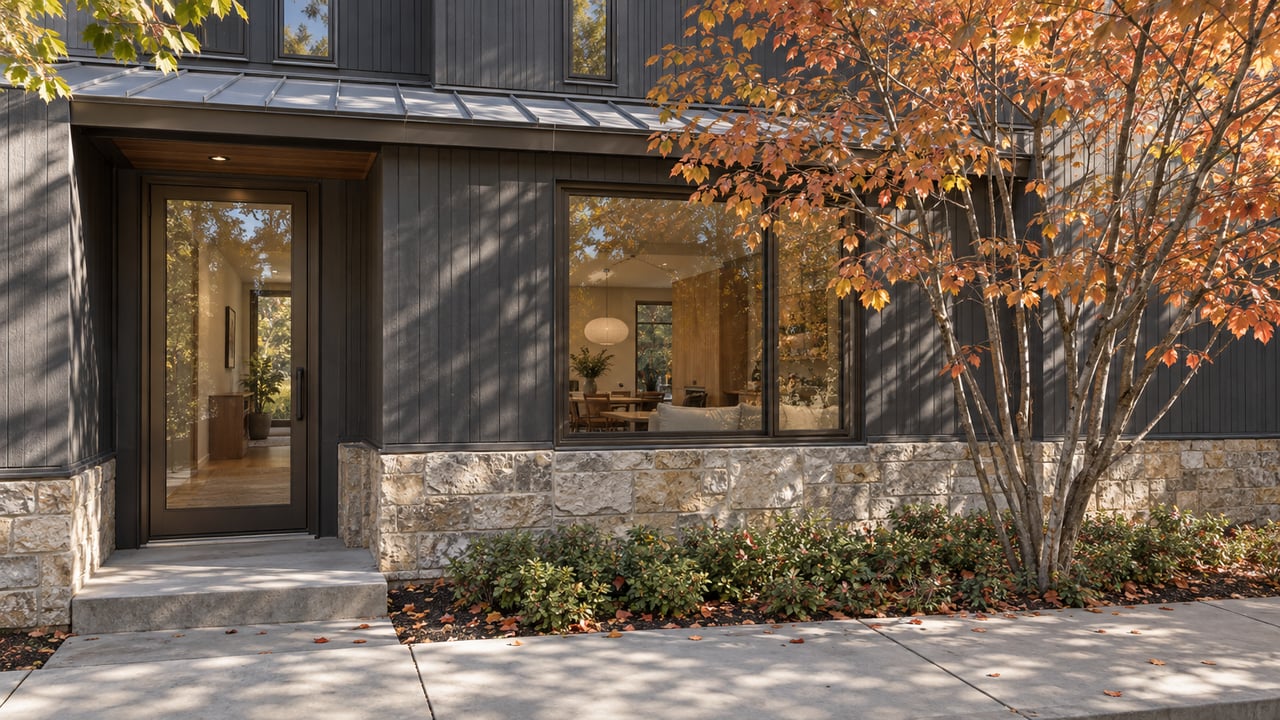
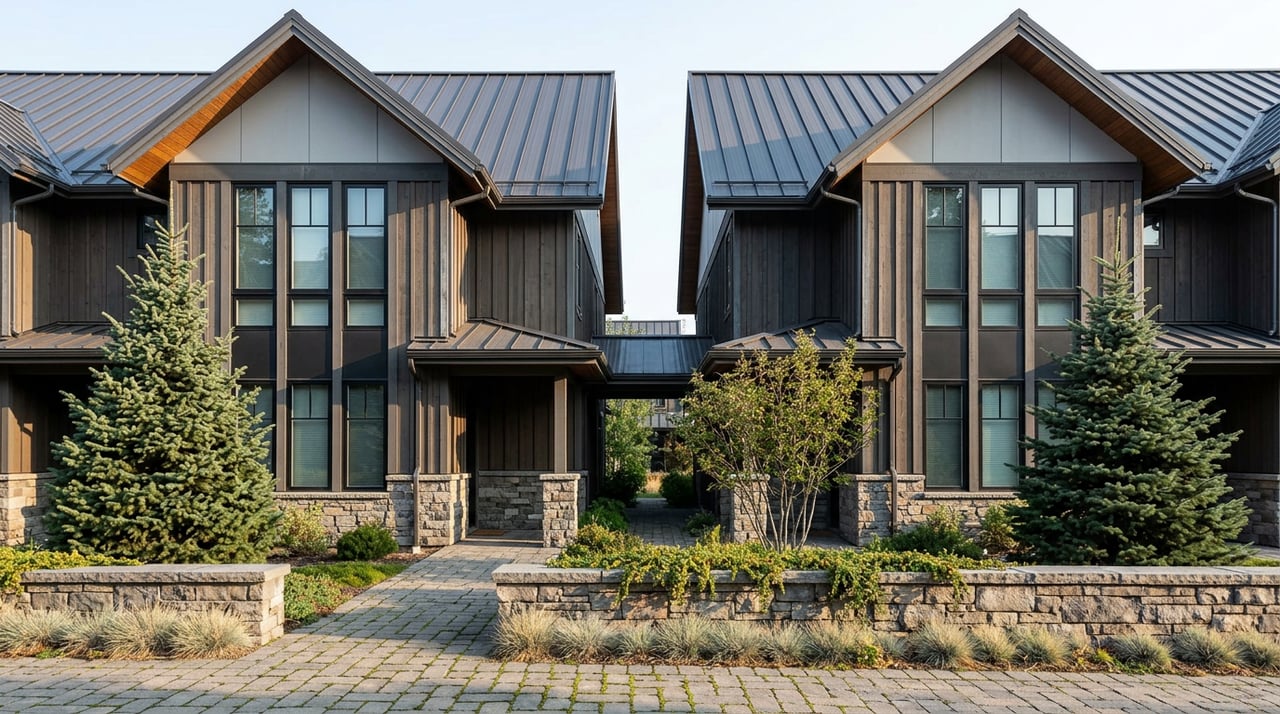
On select Old Town lots, you will see luxury infill that blends contemporary alpine design with high-end systems, larger floorplans, and private garages. These homes offer modern performance in a walkable location, which is a rare combination downtown.
Expect a more complex approval path during development. Downtown infill can require design review, variances, and floodplain certifications when sites are near the river. Planning materials illustrate how downtown projects navigate these steps; for a window into typical reviews, explore the city’s Planning Commission packet.
While new builds limit near-term maintenance, specialized features like high-performance glazing or snow-melt systems need knowledgeable service over time. Ask for documentation on system warranties, installer contacts, and energy testing.
Use this quick due diligence checklist to protect your investment and plan with confidence:
Downtown Steamboat offers a little of everything, from century-old character to lock-and-leave convenience. The right fit comes down to how you want to live, your appetite for maintenance, and the rules that shape each property type. If you want a local, concierge-style guide through inspections, HOA and STR details, or a custom search on Old Town blocks, reach out to Michelle Parilla. We would love to help you compare options and move confidently.



Whether you are looking to buy or sell in Steamboat, she hopes that you will allow her to work for you. Contact her now!