Steamboat Mountain Area Amenities That Matter Most
If you have ever looked at two Steamboat Mountain Area properties with similar square footage and wondered why they feel worlds apart, amenities are usually the reason. In this part of Steamboat, the value of a home often comes down to more than interior finishes. It comes down to how easily you can get to the lifts, how smooth your arrival feels, and how much convenience is built into daily life. If you are comparing condos or townhomes in the Mountain Area, this guide will help you understand what amenities really mean and what questions to ask before you buy. Let’s dive in.
In Steamboat’s Mountain Area, access shapes the ownership experience in a big way. The area is organized around the resort base and gondola corridor, and the Wild Blue Gondola runs from the base to the top of the mountain in about 13 minutes.
That means small differences in location can have a real impact on your routine. A short walk to the base, ski-in/ski-out access, or dependable shuttle service can change how easy a ski day feels for you, your family, or your guests.
Steamboat’s lodging categories reflect this clearly. Properties are often grouped as Near the Base, Ski In Ski Out, Off Mountain, or Around Town, which shows how buyers and visitors often evaluate the market first by access, then by service and shared amenities.
Transportation is also part of the amenity picture. The City of Steamboat Springs operates a free bus system connecting downtown, the ski area, and west Steamboat, and many lodging properties also offer private shuttle service.
When buyers think about amenities, they often picture pools, hot tubs, and fitness rooms. Those features matter, but in the Mountain Area, access is often the most important amenity of all.
A property near the gondola or directly on the slopes can save time, reduce hassle, and create a much easier experience for owners and guests. That convenience can matter just as much as an updated kitchen or extra storage.
If you plan to use a home as a second home or rental property, easy access can also shape how often people want to return. In many cases, convenience is part of the product.
Not every Mountain Area community offers the same kind of experience. In general, buyers will see a few different amenity tiers as they compare options.
At the top end, some communities combine prime location with a deeper service package. One Steamboat Place is a clear example, with slopeside private residences at the gondola and ski-in/ski-out access, along with a pool, hot tubs, spa, fitness facility, shuttle service, front desk, recreation areas, and ski storage.
The Steamboat Grand is another strong example near the base area. Official materials describe a heated outdoor pool, two hot tubs, health club, ski valet services, parking and bell services, EV charging stations, daily housekeeping, hotel shuttle, laundry machines, and on-site dining.
The Porches fits into a similar upper-tier category in a more residential format. It offers a front desk, full-service concierge, outdoor heated pool and hot tub, steam room, fitness facility, game room, and a year-round complimentary shuttle within city limits.
The next tier often includes condo buildings or shared resort campuses with strong amenity centers, but less of a hotel-style feel. Torian Plum Condominiums, for example, includes an outdoor heated pool, three outdoor hot tubs, a fitness room, and ski lockers.
Trappeur’s Crossing shows how this can expand across multiple lodges. Champagne Lodge owners and guests have access to four pools, ten hot tubs, two tennis courts, a fitness center, business center, conference rooms, winter shuttle service, and daily trash service.
Trailhead Lodge and Wildhorse Meadows show another version of this model. Here, the value often comes from the shared amenity center and shuttle connectivity rather than immediate slopeside positioning.
Trailhead Lodge includes a pool, hot tub, fitness center, on-site check-in, shuttle service, and in-unit washer and dryer. Wildhorse Meadows references a pool, three hot tubs, fitness center, game room, fire pit, BBQ area, and complimentary shuttle within city limits.
Some communities focus more on strong access and practical features than full-service operations. Storm Meadows East is directly on the slopes with ski-in/ski-out access to Christie Peak Express or the gondola, and includes a hot tub, shuttle service, ski storage, washer and dryer, and parking.
Bronze Tree offers a middle-ground package with an indoor pool, indoor and outdoor hot tubs, sauna, fitness center, ski lockers, and seasonal shuttle service to downtown. These kinds of communities can still deliver a very enjoyable mountain experience without the same service level as full-service residences.
West Condominiums and Yampa View Condominiums are also useful comparison points. West is described as directly above the mountain village, within walking distance of the slopes, with moderate pricing and a ski-season shuttle, while Yampa View emphasizes practical in-unit features like a full kitchen, gas fireplace, and private balcony.
It is easy to treat amenities as a checklist. In reality, each one changes how you use the property.
Shuttle service can make mountain ownership much easier. A private year-round shuttle, a winter-only shuttle, or access to the city’s free bus system can reduce the need for a second vehicle and simplify dinner plans, ski days, and guest arrivals.
For some buyers, this is a lifestyle advantage. For others, especially second-home owners and investors, it can also be a strong convenience feature for visitors.
These features can make a property feel more like a destination stay. In the Mountain Area, buyers often compare homes not just by size, but by the overall experience they create.
A property with shared recreation spaces may feel more complete for longer stays, family visits, or hosting guests. That is one reason these features appear across both full-service and shared-amenity communities.
On-site check-in, front desk support, and concierge services mainly affect arrival and problem-solving. If you are coming in late, coordinating guests, or managing a second home from out of town, those services can make ownership feel smoother.
It is also important to know that some units may require offsite check-in or may not include the same shuttle or recreation access if they are managed differently. That detail can materially affect convenience.
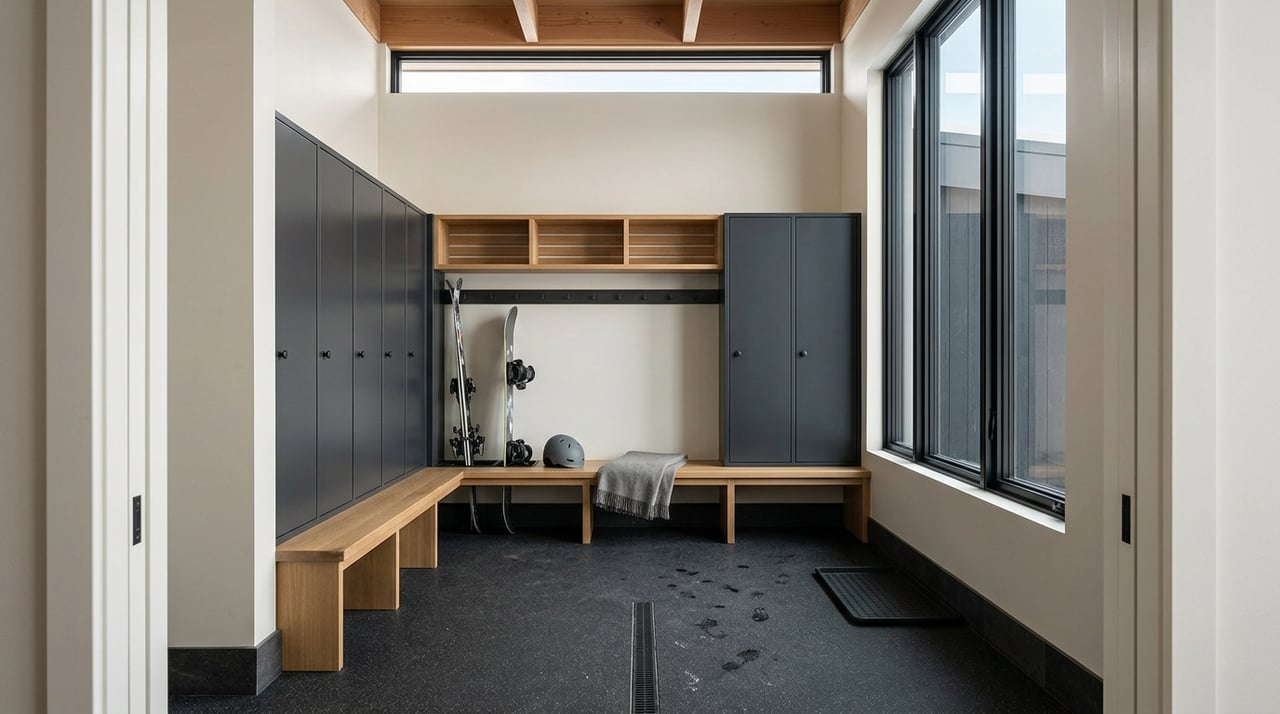
Ski storage may seem minor until you live without it. Ski lockers, dedicated storage rooms, and valet-style equipment handling reduce clutter, simplify mornings, and help keep gear organized between visits.
In a ski market, this is one of those features that can quietly improve daily life more than buyers expect. It is not flashy, but it is useful.
Amenities are not free to operate, and they usually show up in ongoing ownership costs. Communities with pools, hot tubs, elevators, front desks, concierge staffing, housekeeping, shuttle operations, and shared amenity buildings generally require more labor, utilities, insurance, maintenance, and reserves.
That does not mean higher-service communities are a bad value. It means you should understand what you are paying for and whether that service level matches how you plan to use the property.
For example, a buyer who wants a lock-and-leave second home may see real value in a front desk, shuttle, and stronger service package. A buyer who cares most about slope access and lower carrying costs may prefer a more practical community with fewer shared services.
When you compare Mountain Area properties, do not stop at the words pool, shuttle, or ski-in/ski-out. Ask how those amenities actually work.
Here are some of the most useful questions to ask during due diligence:
These questions can help you compare homes more clearly. They also help you avoid assuming that two similar-looking properties will offer the same ownership experience.
A simple way to compare Mountain Area communities is to focus on three things at once: access, service, and cost. Those three factors usually define the property’s real value proposition.
A closer location to the base or gondola may justify a higher price if it saves time and adds convenience. A deeper service package may be worth the added carrying cost if you want a more turnkey experience.
On the other hand, a community with fewer services may still be the better fit if you prioritize practical use, lower overhead, or a more straightforward ownership model. The best choice depends on how you plan to live in the property, not just how the amenity list reads online.
If you are weighing options in Steamboat’s Mountain Area, working with someone who understands how these communities function day to day can help you sort through the details that do not always show up in photos. When you are ready to compare access, amenities, and ownership costs with a local perspective, connect with Michelle Parilla.



Whether you are looking to buy or sell in Steamboat, she hopes that you will allow her to work for you. Contact her now!