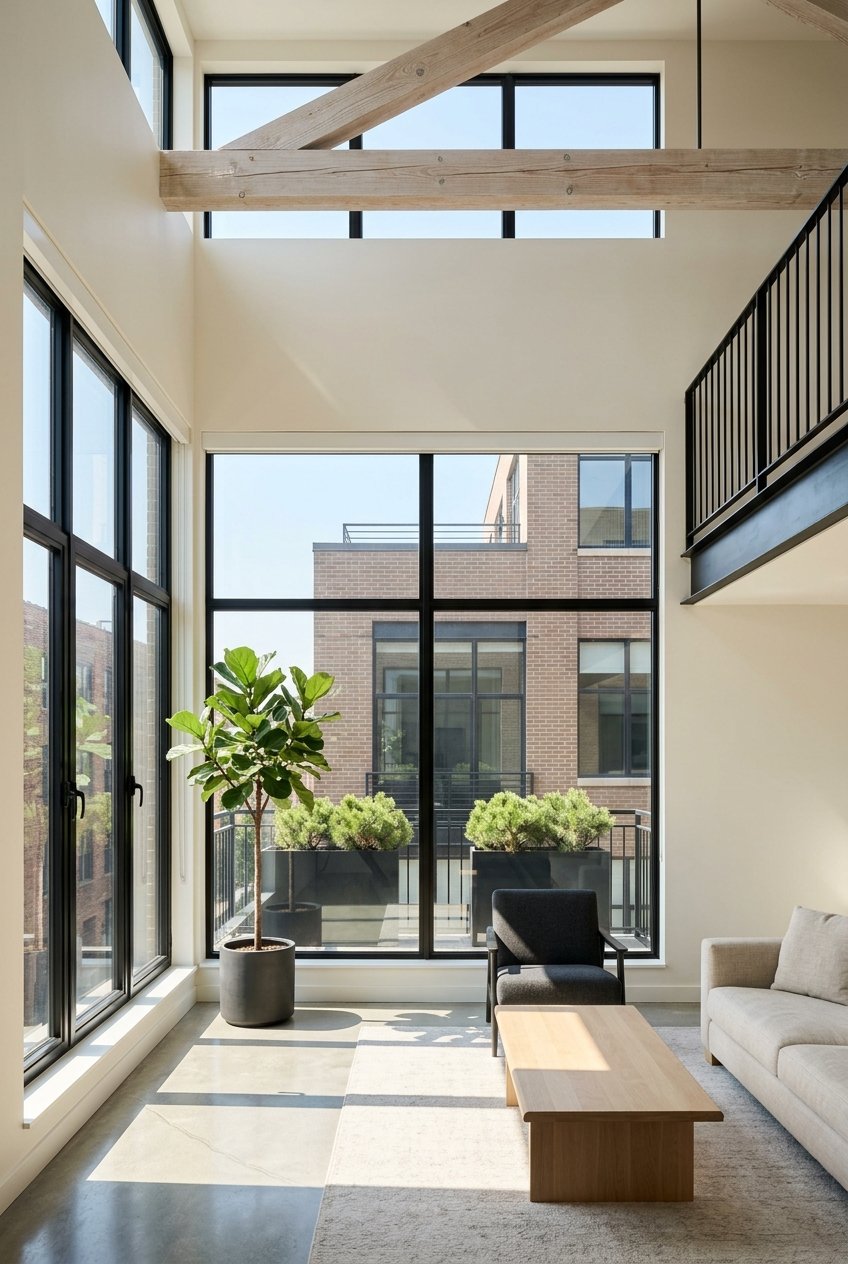
Buying A Condo Or Loft In Downtown Steamboat
Wondering whether a downtown condo or loft in Steamboat is the right fit for your lifestyle or investment goals? You are not just buying square footage here. You are buying into a walkable, mixed-use part of town where dining, retail, arts, offices, and transit are part of daily life, but where parking, storage, and building rules can matter just as much as the finishes inside your unit. This guide will help you understand the tradeoffs, spot the biggest due diligence items, and make a more confident decision. Let’s dive in.
Downtown Steamboat is designed as a pedestrian-oriented, mixed-use district. The city describes it as a place with active storefronts, residential living, transit access, and historic segments that should be conserved. If you want an in-town lifestyle where you can move through your day on foot more easily, that is a big part of the appeal.
The city also notes that all of downtown is within a quarter mile of a bus stop or about a 10-minute walk. That supports the low-car lifestyle many condo and loft buyers want. At the same time, it helps explain why private parking, guest parking, and storage can carry extra value here.
A downtown condo or loft in Steamboat is not the same as a more suburban-style condo purchase. In this area, convenience often comes from proximity to restaurants, shops, workplaces, and transit rather than from a larger footprint or oversized garage. That can be a great fit if you value access and energy over extra space.
The tradeoff is usually practical. Privacy may be tighter, storage may be limited, and parking may require more planning than it would in a detached home. If you go in with clear expectations, you are much more likely to choose a property that supports how you actually want to live.
When you buy a condo or loft, the homeowners association is part of the purchase. In Colorado, common-interest communities are governed by CCIOA, and that framework covers key issues like executive board powers, reserve funds, audits, and insurance. For many buyers, the HOA documents are almost as important as the unit itself.
That is especially true in downtown Steamboat, where monthly dues may reflect more than size alone. Parking stalls, storage lockers, ski closets, and other limited common elements can affect what you pay and what you actually control. A unit that looks similar on paper to another unit in the same building may come with very different practical benefits.
Before you move forward, pay close attention to:
For post-1992 communities, CCIOA requires the HOA to carry property insurance on common elements and commercial general liability insurance for claims tied to common elements. That makes the financial health and management of the association a real ownership issue, not just a paperwork detail.
In downtown Steamboat, parking is not a minor checkbox. The city treats parking enforcement seriously because of high demand and year-round visitors. Public lots may have posted time limits, and winter parking rules become more restrictive from November 1 through April 30 to support snow removal.
That means you should look beyond whether a property has parking at all. The better question is what kind of parking comes with the unit and how usable it will be in every season. A deeded heated space and a loosely defined parking arrangement can feel very different in real life.
Ask for specifics on:
The city’s downtown parking study identified about 2,770 public and private parking spaces downtown, but it also noted that around 10% of the most convenient on-street spaces are occupied by long-term users. That is one more reason to focus on the quality and reliability of a unit’s parking setup, not just the existence of nearby spaces.
Not every downtown condo or loft is treated the same under the city’s development rules. Parking standards vary by district and by unit size in the Community Development Code. In certain districts, smaller multifamily units under 2,000 square feet require 1.5 spaces per unit, while larger units require more.
For you as a buyer, that is a reminder to avoid assumptions. Two properties in downtown may offer very different parking realities based on building type, age, location, and how the project was approved. It is worth confirming the exact arrangement for the specific unit you want.
Part of downtown Steamboat’s appeal is its character. The city has inventoried nearly 500 older properties in Old Town, generally 50 years old or more, and eligible or registered historic properties follow local historic design guidelines for exterior work. That can add charm and architectural interest, especially if you love buildings with personality.
It can also affect what you can change. Renovations involving windows, façades, or other visible exterior elements may require additional review. If flexibility to remodel is high on your list, make sure you understand whether the building has historic considerations before you buy.
If rental income is part of your plan, this step is essential. In Steamboat Springs, you need a short-term rental license before you can advertise, offer, or operate a short-term rental, hosted short-term rental, or temporary short-term rental. The city also states there is no grandfather clause, and licenses do not transfer when a property sells.
That means a unit’s past rental history does not automatically tell you what you can do in the future. You need to verify the current rules for that exact property. This is one of the most important details for investor-minded buyers and second-home buyers who want income flexibility.
Make sure all of the following line up:
The city’s overlay system matters here. Zone A has no cap, Zone B is capped, and Zone C prohibits STRs, although hosted and temporary STRs are exempt from Zone B caps and Zone C prohibition. The city also makes clear that HOA rules may be more restrictive than city rules, so you need both levels of review.
Many buyers compare downtown Steamboat with the Mountain Area, and the choice often comes down to lifestyle. The city’s planning documents describe downtown as a mixed-use district centered on commerce, culture, dining, offices, and residential living. That tends to suit buyers who want a year-round neighborhood feel and easy access to everyday amenities.
By contrast, the Mountain Area is framed as a recreation-rooted social hub with housing, hospitality, and commerce tied closely to the resort environment. If your priority is ski proximity and resort-style energy, that area may feel like a better match. If you want walkability and in-town convenience, downtown may be the stronger fit.
Parking patterns differ too. Downtown is more oriented around walking, transit, and a mix of public and private parking. Near the mountain, access and winter management can be shaped more directly by resort activity and ski-area parking rules.
As you narrow your options, keep this checklist handy:
In a market like Steamboat, details matter. The right condo or loft can give you convenience, character, and strong lifestyle value, but the best choice is usually the one that fits your day-to-day needs as closely as it fits your budget.
If you are thinking about buying a condo or loft in downtown Steamboat, working with a local expert can help you sort through the nuances that do not always show up in photos or headline pricing. For personalized guidance on downtown buildings, HOA review, and short-term rental considerations, connect with Michelle Parilla.

Luxury Real Estate
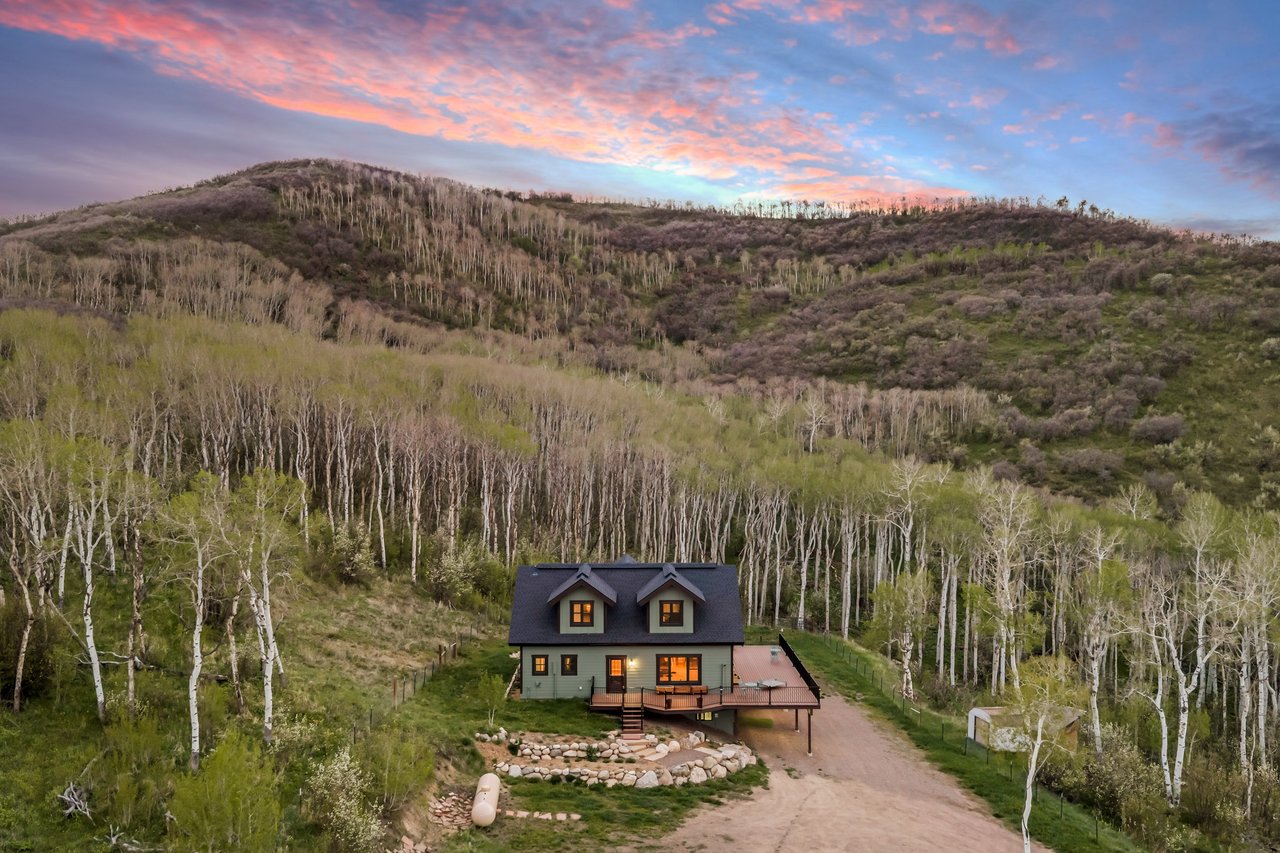
South Routt County estate with mountain views, equestrian potential, and room to roam near Steamboat Springs


Whether you are looking to buy or sell in Steamboat, she hopes that you will allow her to work for you. Contact her now!