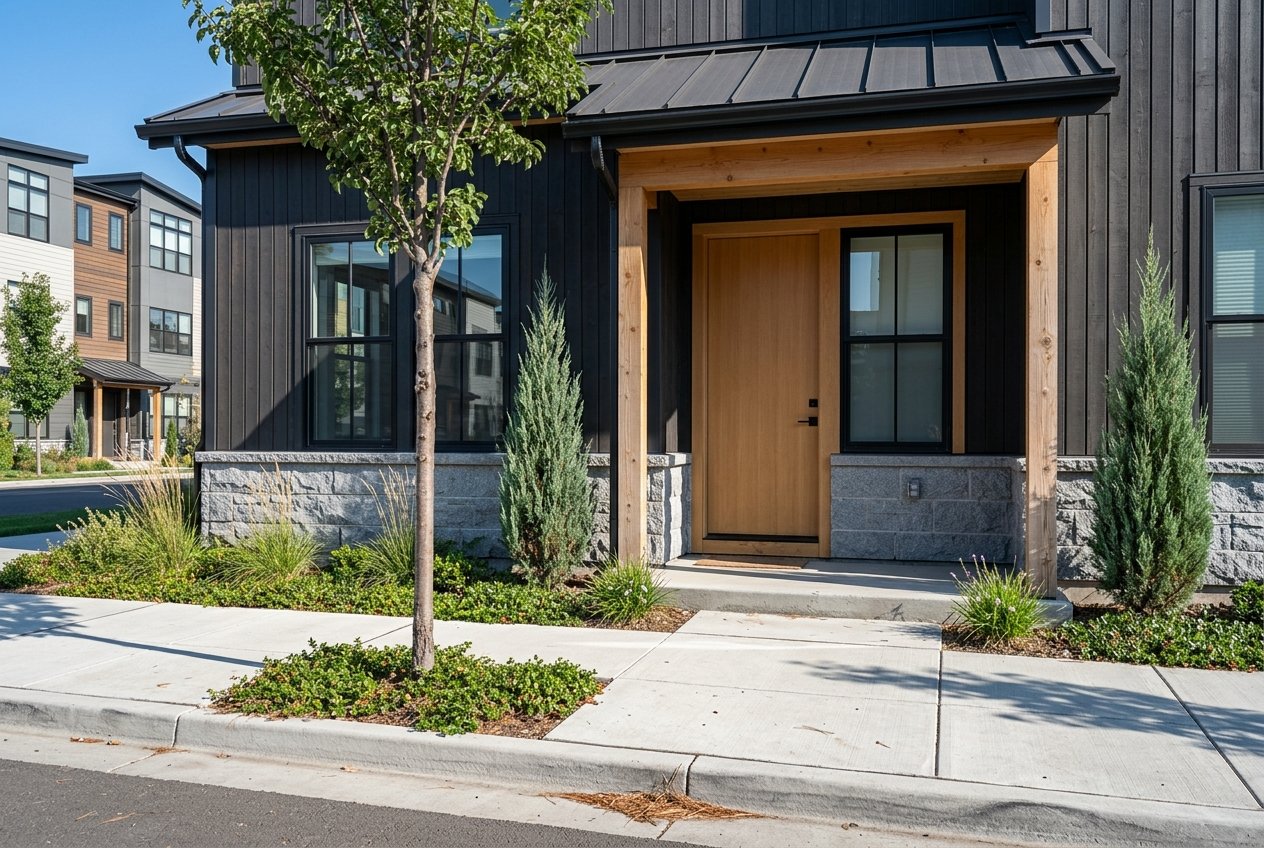
Car-Light Living In Downtown Steamboat Springs
Dreaming about living with less windshield time and more walkable daily routines? In downtown Steamboat Springs, that idea can be more than a vacation mindset. If you want a home base where restaurants, trails, transit, and everyday stops are close at hand, this guide will help you understand what car-light living really looks like here and whether it fits your lifestyle. Let’s dive in.
Downtown Steamboat Springs is built around a compact core. The city’s Downtown Plan envisions a mixed-use district with retail, restaurants and bars, housing, cultural amenities, and civic uses, with connectivity, parking, and mobility listed as core elements.
That matters if you want to rely less on a car. When your routine centers on Lincoln Avenue, Yampa Street, the riverfront, and nearby community spaces, many day-to-day trips can be shorter and more manageable without driving everywhere.
Main Street Steamboat also describes downtown as the heart of the community and the county’s main hub of activity. In practical terms, that means a lot of what you may want to do, from dining out to running small errands to meeting friends, happens in one concentrated area.
A car-light lifestyle works best when you have more than one way to move through town. In downtown Steamboat, that usually means combining walking, transit, and biking depending on the season and your routine.
Steamboat Springs Transit is a free bus system that serves residents and guests across town. The city says the system carries more than one million riders a year and operates with 15 transit buses, regional buses, and a paratransit shuttle.
For many buyers, the biggest benefit is flexibility. If you live downtown, free transit can make it easier to reach other parts of Steamboat without needing to park once you get there.
In summer 2026, the Main Line runs as a continuous loop with 15-minute service connecting west Steamboat, downtown, and the mountain. The city also says the Night Line runs on a 20-minute pattern in the evening, and extra service is added for major events like Memorial Day and July 4th.
The Yellow Zone adds another useful option. The city offers these free, on-demand rides daily from 7:00 a.m. to 6:20 p.m. within downtown and nearby neighborhoods.
This can be especially helpful for short local trips when you do not want to walk or bike. It is worth noting, though, that trips outside the zone require transfers, so travel to West Steamboat, the ski area, or condo areas outside the zone may take more planning.
The Yampa River Core Trail is one of downtown’s biggest advantages for car-light living. The city describes it as a seven-mile, non-motorized multi-use trail that runs from Dougherty Road through downtown to Bear River Park.
Because the trail passes through the core and connects to parks and open spaces, it can become part of your daily routine, not just a weekend activity. Whether you are heading out for exercise, meeting someone downtown, or simply enjoying access to the river corridor, it adds a layer of mobility that many towns do not have.
SST buses also have bike racks, which makes it easier to mix biking and transit in one trip. The city says riders can use RouteShout, Google Maps, and the city website for real-time trip planning and tracking.
Car-light living is not just about transportation. It also depends on whether daily life feels convenient, interesting, and practical close to home.
Main Street Steamboat describes downtown as having a vibrant, walkable dining scene. Restaurants and cafés are spread along Lincoln Avenue, the Yampa Riverfront, and historic side streets.
The Main Street business directory also points to a broad mix of uses in and near downtown, including boutiques, galleries, coffee shops, local food, and service businesses. For you as a buyer, that variety helps turn downtown from a place you visit into a place you can truly live.
The Main Street Farmers Market is another strong lifestyle draw. In 2026, it runs on Saturdays from June 6 through September 26 on Yampa Street between 5th and 8th, and the market page says it features more than 150 vendors each week.
That kind of seasonal amenity can make downtown living feel more connected and convenient. It gives you another option for shopping local while staying close to home.
Bud Werner Memorial Library at 1289 Lincoln Ave. adds another everyday destination to the downtown mix. The library offers weekday and weekend hours along with programs, making it a practical and community-oriented stop within the core.
Old Town Hot Springs, located at 136 Lincoln Avenue, is also right in the heart of downtown. It offers pools, fitness, classes, and no-reservation access, which makes it easy to fold wellness and recreation into your weekly routine.
The city’s parks page says Steamboat has 29 park sites totaling more than 1,000 acres, and access to parks, open space, trails, and the river is free. For many people, that easy access to outdoor recreation is a major part of what makes a car-light lifestyle feel rewarding instead of restrictive.
A car-light lifestyle can be appealing, but it is not the same as a no-car lifestyle. Downtown Steamboat offers real convenience, yet it also asks for more planning in a few areas.
The city says all parking areas have time restrictions or regulations. There is no parking in alleys, many downtown streets have two- to three-hour limits, and winter restrictions become tighter for snow removal.
Public parking lots exist near the core, but they also come with time limits and, in some cases, no-overnight rules. If you own a car and live downtown, parking will likely require more day-to-day management than it would in a more suburban setting.
Downtown is strongest for local living. If your week revolves around restaurants, events, the river trail, the library, hot springs, and downtown services, you may find you can drive much less often.
If you expect frequent big errand runs or regular trips outside the Yellow Zone, a car may still feel useful as a backup. The same goes if you want to avoid winter transit planning or parking logistics entirely.
Car-light living tends to work best when your priorities match the shape of downtown life. It is often a strong fit if you value convenience, walkability, and being close to the places where you spend your free time.
You may be a good fit for downtown Steamboat if you want to:
It may be a less natural fit if you prefer large driving-based errands, want simple long-term car storage, or expect to travel often to areas that require transfers or more transportation planning.
If car-light living matters to you, the right home search should go beyond square footage and finishes. You will also want to think carefully about location within downtown, your access to transit and trails, and how parking works for your day-to-day needs.
For example, a property that feels close to Lincoln Avenue, Yampa Street, or the riverfront may support a very different routine than one that looks similar on paper but sits farther from the places you use most. Small location details can shape how often you walk, ride, or drive.
This is also where local guidance matters. In a market like Steamboat Springs, lifestyle fit is often just as important as the property itself, especially for relocators, second-home buyers, and anyone trying to match a home purchase to a specific way of living.
If you are exploring homes that could support a walkable, car-light routine in downtown Steamboat Springs, Michelle Parilla can help you compare neighborhoods, property types, and day-to-day logistics so you can buy with confidence.



Whether you are looking to buy or sell in Steamboat, she hopes that you will allow her to work for you. Contact her now!