Steamboat Springs Luxury Homes vs Other Colorado Resorts
Wondering whether Steamboat Springs gives you the right mix of mountain lifestyle, property options, and value compared with other Colorado resort towns? If you are weighing Steamboat against places like Vail, Aspen, or Summit County, the differences go far beyond ski terrain and scenery. Understanding how pricing, property types, access, and rental rules compare can help you make a smarter move. Let’s dive in.
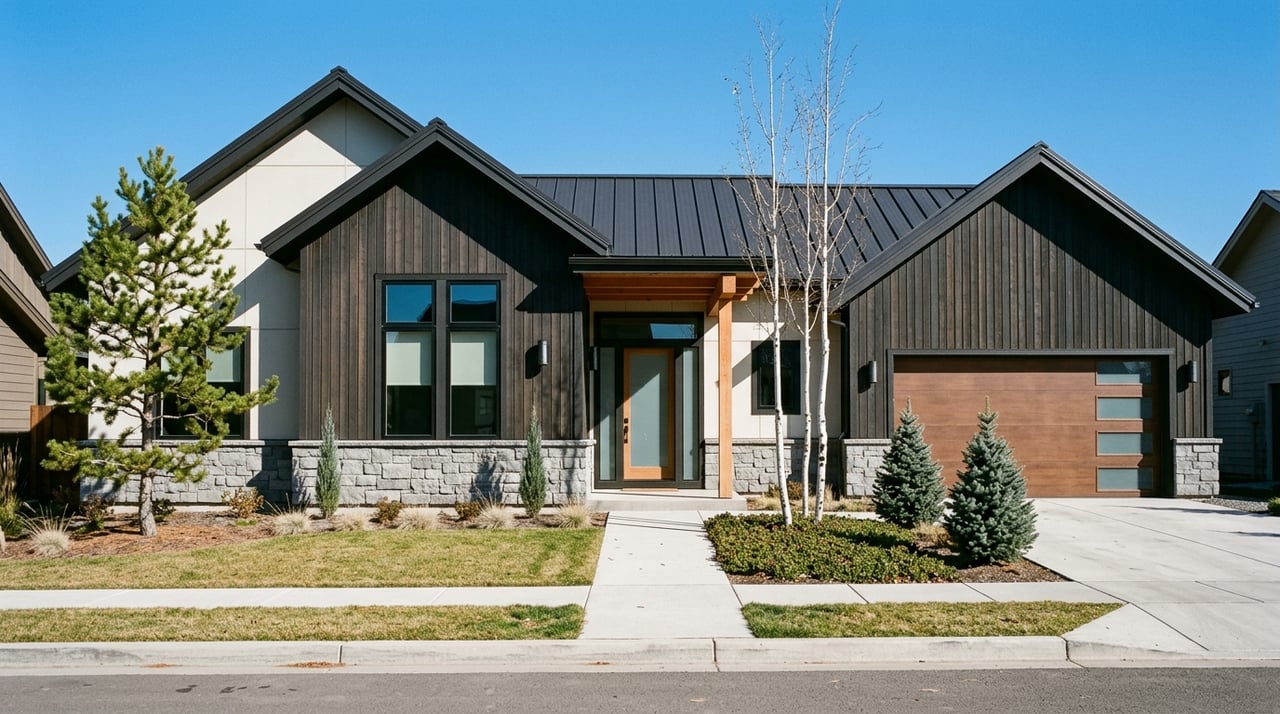
Steamboat Springs sits in a distinct part of Colorado’s resort market. It is still a high-value mountain town, but it tends to feel more residential and more house-oriented than some of the state’s better-known luxury resort competitors. That matters if you want a home that works for real living, not just short visits.
The resort itself offers 3,741 acres of terrain, 3,668 feet of vertical, and 182 named trails. It also has winter nonstop access from 17 airports, which gives it stronger travel convenience than many buyers expect. At the same time, Steamboat continues to lean into its western heritage and family-friendly identity, which helps shape the town’s overall feel.
A Routt County housing demand study adds useful context here. It found that 43.5% of homes in Steamboat Springs are part-time residences or vacation rentals, and 88% of county homeowners say detached single-family homes are an acceptable housing type. That helps explain why Steamboat often behaves more like a house market than a pure resort condo market.
If you are comparing Colorado resort markets, pricing is usually the first filter. Based on year-to-date county snapshots from early 2026, Steamboat sits well below Vail and far below Aspen on both single-family homes and condos or townhomes. Summit County is the closest comparison, but Steamboat still comes in lower for single-family homes.
Here is the clearest side-by-side view:
| Market | Single-Family Median | Condo/Townhome Median | Single-Family DOM | Condo/Townhome DOM |
|---|---|---|---|---|
| Steamboat / Routt County | $1.24M | $897,000 | 130 | 104 |
| Vail / Eagle County | $2.45M | $1.475M | 120 | 105 |
| Summit County | $1.694M | $822,500 | 94 | 143 |
| Aspen / Pitkin County | $8.6M | $3.0M | 208 | 172 |
The takeaway is straightforward. Steamboat offers a more attainable entry point than Vail or Aspen, especially if you are focused on a detached home. Summit County is more competitive on condo pricing, but Steamboat remains lower on single-family pricing and often offers a more residential ownership mix.
Price level matters, but so does direction. In the latest year-to-date snapshots, Steamboat’s median sale price was up 13.8% year over year for single-family homes and 10.1% for condos and townhomes. That points to continued momentum without the much higher pricing seen in some other resort areas.
By comparison, Eagle County posted stronger year-over-year gains, while Summit County and Pitkin County both showed softness in early 2026. That places Steamboat in an interesting middle ground. It is appreciating, but it is not operating in Aspen’s price universe or Summit’s early-year slowdown.
For buyers, that can signal a market with ongoing demand and a more balanced value story. For sellers, it reinforces that Steamboat remains a desirable resort destination with steady pricing support.
One of the biggest differences between Steamboat and other Colorado resorts is the type of housing that tends to define the market. In Steamboat, detached homes play a larger role in the ownership picture than they do in more condo-driven resort environments. That can be a major advantage if you care about space, privacy, and year-round livability.
The county housing study found strong preference for detached single-family homes, while also noting that many newer multifamily properties are resort or vacation condos with higher HOA costs. Since about 43% of units built since 2010 have been multifamily, buyers should look closely at total ownership costs, not just the purchase price.
In practical terms, this means Steamboat can appeal to buyers who want more than a lock-and-leave ski property. You may find better alignment here if your goal is a second home with room to spread out, a future full-time residence, or a property that feels more integrated into daily life.
Vail is one of the clearest comparisons because it offers a more polished, infrastructure-rich resort environment. Vail Mountain has 5,317 acres, 32 lifts, and 278 trails, and the town is supported by a large free transit system and extensive open space. That creates a very different experience from Steamboat’s more relaxed and less curated atmosphere.
That difference also shows up in pricing. Eagle County’s early 2026 median prices were notably higher than Routt County for both single-family homes and condos or townhomes. If you want a highly managed resort setting with major resort scale, Vail may be the stronger fit, but you will usually pay more for it.
Steamboat tends to win on relative value and residential feel. For many buyers, that tradeoff is worth serious attention, especially if you are focused on usable square footage and longer-term livability.
Aspen is the prestige outlier in this group. It combines a powerful global brand, very high-end service expectations, and far higher price points than Steamboat. In market terms, the gap is dramatic.
Pitkin County’s year-to-date median sale price reached $8.6 million for single-family homes and $3.0 million for condos and townhomes. That places Aspen in a very different category from Steamboat, where the corresponding medians were $1.24 million and $897,000.
Aspen also offers strong convenience for travelers, with its airport only three miles from downtown. If your priority is top-tier prestige and you are comfortable with a much higher cost basis, Aspen stands apart. If you want a luxury mountain market with a more grounded value proposition, Steamboat offers a very different path.
Summit County is often the closest practical alternative for buyers considering Steamboat. It includes a broad range of resort areas and tends to offer more condo and townhome inventory choices. That wider mix can be appealing, but it also comes with more regulatory complexity in some areas.
On pricing, Summit County’s condo and townhome median was slightly below Steamboat’s in early 2026, while its single-family median was still higher. Days on market also differed by property type, which is one reason year-to-date trends are more useful than a single month in these smaller resort markets.
Another difference is short-term rental regulation. In Breckenridge, each short-term rental property must have a valid license, and licenses are capped and regulated by zone. In unincorporated Summit County, overlay zone rules and operational requirements add another layer for buyers to evaluate.
Some out-of-market buyers assume Steamboat is much harder to reach than other Colorado resorts. In reality, access is one of Steamboat’s underrated strengths. The town is about 160 miles northwest of Denver, roughly a three-hour drive, and Yampa Valley Regional Airport is about 22 miles away.
Winter air service includes nonstop flights from 17 major airports, and Denver service runs year-round. That makes Steamboat more accessible than many people realize, especially for second-home owners who want reliable seasonal travel options without giving up a more laid-back mountain setting.
Aspen and Vail do have convenience advantages of their own. Aspen’s airport is much closer to downtown, and Eagle County Regional Airport supports Vail with year-round nonstop service. Still, Steamboat holds up well if your goal is a resort town that balances access with a less crowded and more residential feel.
If you are buying a second home or investment property, short-term rental rules deserve close attention. In Steamboat Springs, you cannot advertise or operate a short-term rental without first obtaining a license. The city’s application materials also require a parking and snow-storage plan.
That means rental potential should always be evaluated property by property. HOA rules, operating costs, and licensing details can all affect how a property performs and how easily you can use it the way you intend.
Compared with Steamboat, Aspen and parts of Summit County can be more rules-heavy. Aspen uses multiple permit types, with some limits on owner-occupied rentals and waitlists in capped zones. Breckenridge also requires a valid license for each property, adding another layer of planning for buyers who want income flexibility.
For many people, Steamboat hits a sweet spot in the Colorado resort market. It offers real resort appeal, strong second-home demand, and luxury opportunities, but it does so at price points that remain below Vail and dramatically below Aspen. That can open the door to more space, more privacy, or a more comfortable long-term ownership plan.
It also stands out for its detached-home bias and residential feel. If you want a mountain property that supports both lifestyle and day-to-day livability, Steamboat often feels more grounded than resort towns built more heavily around village condos and tightly managed resort zones.
In simple terms, Steamboat is often the value-with-lifestyle choice. You may give up some prestige or resort polish compared with Aspen or Vail, but you can gain a more relaxed setting, a stronger single-family market, and a compelling balance between experience and price.
If you are comparing Steamboat Springs with other Colorado resort markets and want guidance tailored to your goals, Michelle Parilla can help you evaluate neighborhoods, property types, rental considerations, and current market opportunities with the local insight that makes a difference.



Whether you are looking to buy or sell in Steamboat, she hopes that you will allow her to work for you. Contact her now!