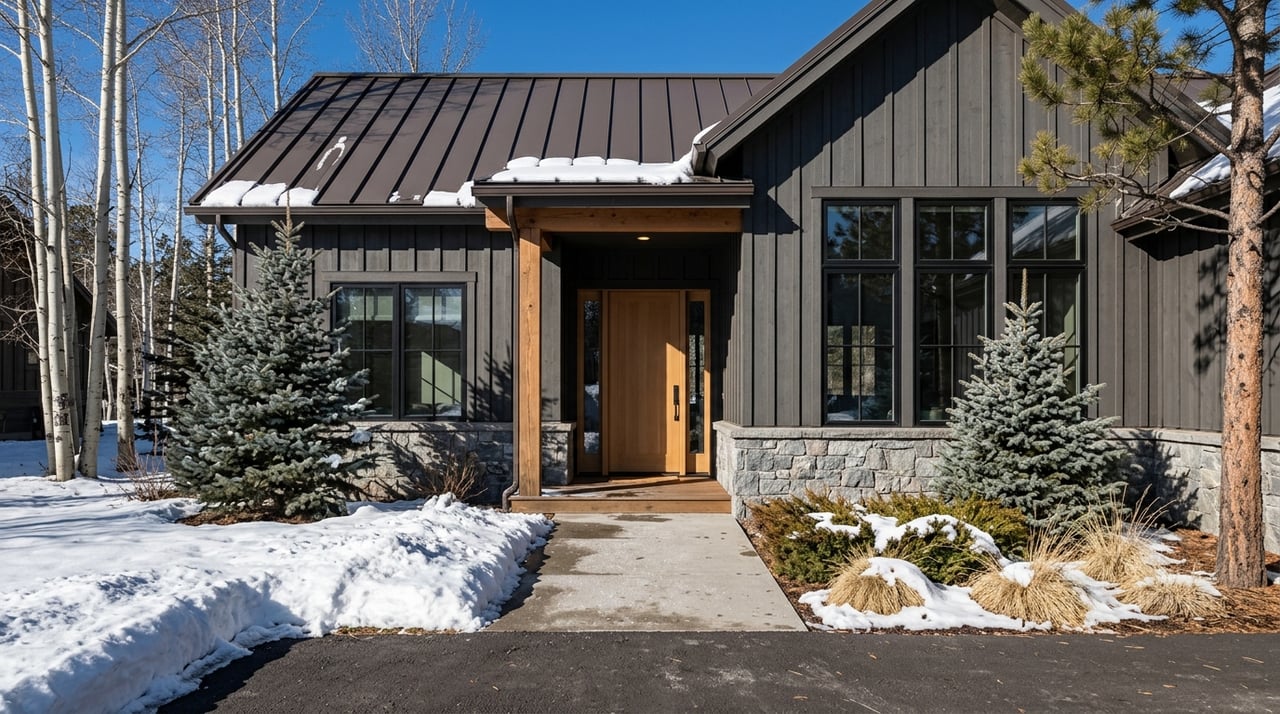
What Living in Steamboat Springs Is Like by Season
Wondering what it’s really like to live in Steamboat Springs all year, not just visit for a ski trip? That question matters if you are planning a move, buying a second home, or simply trying to picture your day-to-day life in this mountain town. The good news is that Steamboat offers a true four-season lifestyle, but each season changes how you get around, how you spend your free time, and what home features matter most. Let’s dive in.
Steamboat Springs sits at 6,866 feet, which gives it a distinct alpine climate and a strong seasonal rhythm. Winter is long and snowy, spring and fall feel transitional, and summer brings warm days centered around the river, trails, and downtown events.
NOAA’s 1991 to 2020 normals show just how much the year shifts. January averages are 29.2°F for highs and 16.9°F for lows, while July averages climb to 83.1°F and 64.5°F. That contrast shapes everything from recreation to commuting to the kind of home that may fit your lifestyle best.
Winter is the season many people associate with Steamboat first, and for good reason. Annual snowfall at the town station averages 184.5 inches, while Steamboat Resort reports a 10-year average of 289 inches on the mountain. Snow typically builds from late fall through spring, with the heaviest snowfall arriving from December through February.
But living here in winter is about more than skiing. It is a full town season with routines, events, and transportation patterns that affect daily life whether you are here full-time or part-time.
For the 2025 to 2026 season, Steamboat Resort plans winter operations from Nov. 22, 2025, through Apr. 19, 2026. Howelsen Hill, the city-owned ski area, runs from Dec. 6, 2025, through Mar. 22, 2026, and the city notes that it has operated continuously since 1915.
That means winter activity is spread across more than one location and feels woven into the community. You are not just near a resort. You are living in a town where winter recreation is part of the local rhythm.
Winter transportation works differently than it does in many milder markets. Steamboat Springs Transit runs winter service from late November through mid-April, and the city says the free bus system carries more than one million riders each year. The Main Line connects west Steamboat and downtown with the mountain area and condominium zones, which can be especially useful if you want to avoid driving in stormy conditions.
Parking also becomes more important in winter. The city prohibits overnight on-street parking from Nov. 1 through Apr. 30 so snowplows can keep streets open. If you are buying a home or condo, this is one reason garages, off-street parking, and practical storage can carry real day-to-day value.
One of the biggest lifestyle advantages in Steamboat is that winter does not feel limited to a single activity. Downtown winter life includes the Winter Carnival, sledding, outdoor ice skating, tubing, and hot springs. That variety can make the season feel lively even if your ideal winter day does not revolve around skiing every weekend.
For buyers, this is where location starts to matter in a very personal way. If you want easy access to downtown events and an active town center, one type of property may fit best. If ski convenience is the priority, another area may make more sense.
Spring arrives in stages here. April still looks and feels like shoulder season, with average highs and lows of 54.4°F and 26.7°F and 13.2 inches of snowfall. By May, averages rise to 65.2°F and 34.0°F, and average snowfall drops to 2.8 inches.
This is one of the fastest-changing times of year in Steamboat. The weather softens, snow recedes, and the town begins shifting away from peak winter patterns, but conditions can still be mixed for a while.
Spring often feels calmer and more local than winter and summer peaks. That can be appealing if you value a little more breathing room and want to experience the town at a slower pace. It is a season when many residents focus on everyday routines, lower-key outings, and getting outside as conditions improve.
The city maintains trails year-round, so shoulder season can still be a good time for hiking and biking, depending on current conditions. If your ideal lifestyle includes easy outdoor access without peak-season energy, spring can give you a realistic look at daily life here.
Spring runoff is an important part of life near the Yampa. In an April 30, 2025 notice, city officials said tubing was not recommended until river flows dropped below 700 cfs. So while warmer weather may tempt you toward the river, spring is not always the most reliable time for casual floating or similar recreation.
That is a useful thing to understand if you are buying based on summer imagery alone. In Steamboat, seasonal timing matters, and the river experience changes throughout the year.
Summer is when many residents lean into Steamboat’s trail network, river access, and outdoor events. NOAA normals show average highs of 83.1°F in July and 81.5°F in August, with no average snowfall in either month. After a long winter, that warm-weather stretch becomes a major part of the town’s appeal.
This season often feels active, social, and highly connected to the landscape. For many buyers, summer is the moment when Steamboat starts to feel not only scenic, but very livable.
The city maintains about 55 miles of trails, including more than 24 miles on Emerald Mountain. It also maintains the 7-mile Yampa River Core Trail, which runs through downtown to Bear River Park. On top of that, city open space totals more than 2,500 acres.
That level of access matters if you want a home that supports an outdoor routine. In practical terms, summer living here often means quick access to walking paths, bike routes, trailheads, and downtown gathering spots.
The city describes the Yampa as one of the few free-flowing rivers in the western United States, and it runs right through the heart of Steamboat Springs. When conditions allow, summer recreation can include tubing, rafting, kayaking, and stand-up paddleboarding.
This is one reason river-adjacent and downtown living can be so appealing. You are not just buying a property. You are choosing how close you want to be to a major part of daily summer life.
Steamboat’s Farmers Market runs every Saturday from June through mid-September. The resort also adds mountain biking, scenic lift rides, guided hikes, and evening events such as music and comedy.
For residents, these are not just visitor activities. They help shape the weekly rhythm of summer, especially if you enjoy being able to walk, bike, or take a short drive to events and recreation.
Fall is another transition season, but it often feels more predictable than spring. September averages 73.5°F for highs and 35.7°F for lows, while October cools to 59.3°F and 26.1°F before snow begins returning.
For many people, early fall offers a comfortable middle ground. You still have access to trails and outdoor time, but the pace begins to slow before winter operations ramp up again.
Fall can be a useful time to settle into the routines that matter before winter arrives. You may start thinking more about storage, snow removal, and how your property handles colder weather. If you own a second home, this is also when access, maintenance needs, and lock-and-leave convenience may stand out more clearly.
That seasonal reset is one reason Steamboat real estate is often about more than square footage or views. The right property should support the way you plan to use it in every season, not just during your favorite one.
In Steamboat Springs, location choice is often a lifestyle choice. Downtown or river-adjacent homes may appeal if you want the Core Trail, Farmers Market, Winter Carnival, and more walkable town routines. Mountain-area condos and townhomes may appeal if ski access and winter transit connections are high priorities.
Seasonality also makes practical features especially important. Off-street parking, garages, storage, and homes that reduce snow-management chores can be valuable, particularly given the city’s winter parking restrictions. For part-time owners, ease of access and lower-maintenance living may be especially appealing.
If you are buying a second home, travel convenience can matter too. Yampa Valley Regional Airport is within a 30-minute-or-less drive of Steamboat Springs and offers year-round daily Denver service on United and Southwest, plus additional seasonal winter flights.
The biggest takeaway is simple: living in Steamboat is not just about weather. Each season changes transit patterns, parking routines, recreation options, and what feels convenient from one neighborhood to another.
That is why a home search here works best when it starts with your lifestyle. If you want help matching your goals to the right part of Steamboat or the broader Yampa Valley, Michelle Parilla offers personalized guidance for buyers, sellers, relocations, and second-home planning.



Whether you are looking to buy or sell in Steamboat, she hopes that you will allow her to work for you. Contact her now!